How Much Does a Gorilla Permit Cost in Uganda?
Encountering mountain gorillas during a trip to Uganda—that's a magical experience that stays with you forever. But you need to know the cost first.
Encountering mountain gorillas during a trip to Uganda—that's a magical experience that stays with you forever. But you need to know the cost first. How much does a gorilla permit cost in Uganda? What's included in the price? Why is it expensive, and how does it make a real difference for species conservation? Let us explain.
What Are the Gorilla Permit Prices in Uganda?
Since July 1st, 2024, all gorilla permits in Uganda are 800 USD per person. The price is set by the Uganda Wildlife Authority (UWA), a Ugandan government agency responsible for managing and protecting wildlife inside and outside protected areas.
This applies to gorilla viewing at the Mgahinga Gorilla National Park and the Bwindi Impenetrable National Park.
In detail, the prices are:
800 USD per person for non-resident foreigners,
700 USD per person for resident foreigners,
500 USD per person for African residents outside Rwanda,
300 USD per person for citizens of the East African Community (EAC).
Good to know:
Want to spend more time with the gorillas? If one hour of observation isn't enough, you can always participate in gorilla habituation sessions. These sessions aim to analyze and encourage semi-habituated gorilla groups to accept human presence.
Accompanied by rangers and a team of researchers, you can spend up to 4 hours with the gorillas. Only 4 people are allowed to participate in this type of program—a truly privileged encounter with these primates. Of course, this option costs more than a standard gorilla permit. Budget 1,500 USD per person for non-resident travelers.
Note that gorilla habituation sessions only take place in Bwindi. Feel free to ask us for more information if you're interested.
What's Included in the Gorilla Permit

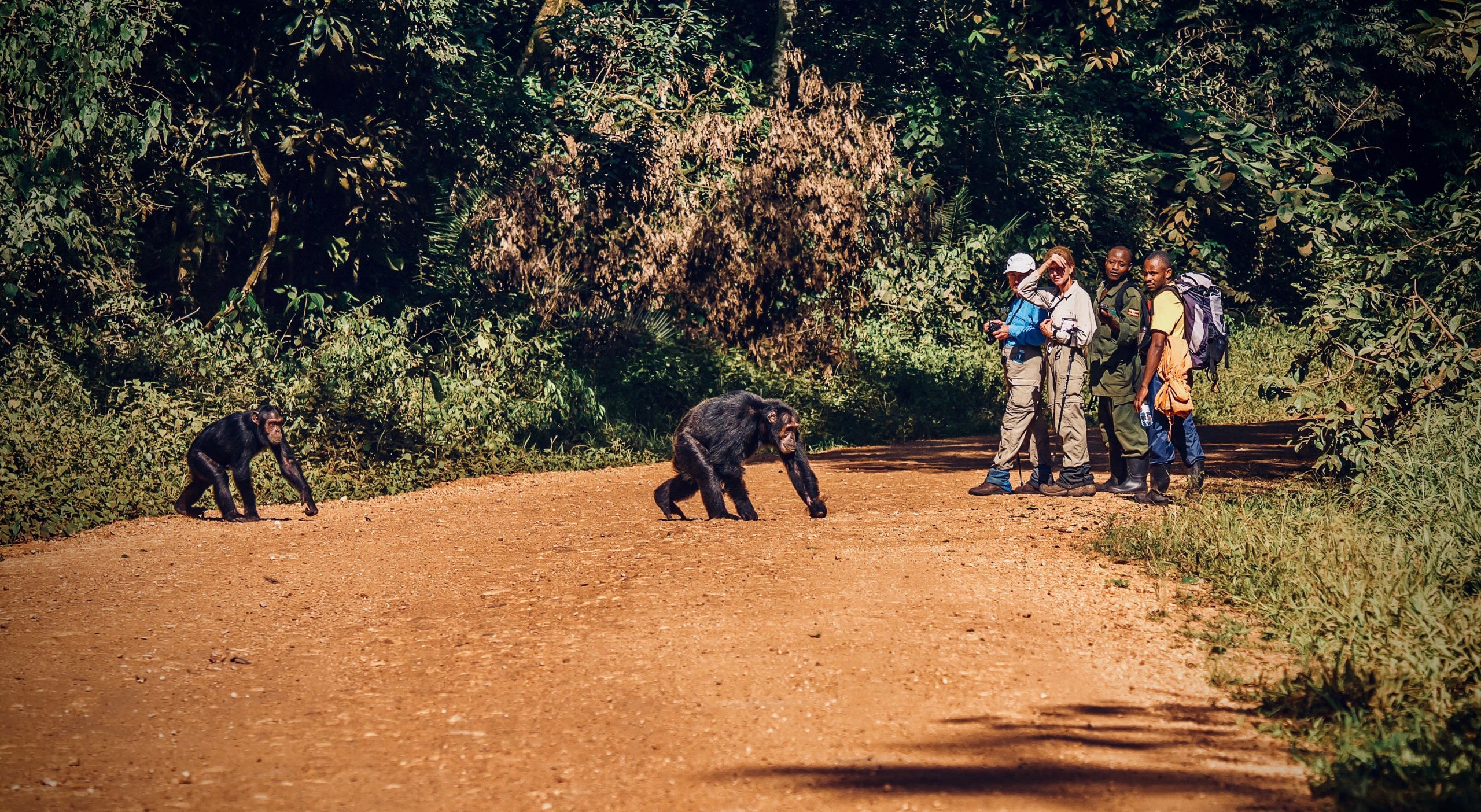
Gorilla encounters happen after a trek lasting 3 to 7 hours, depending on the primates' location. Once contact is made, you'll enjoy one hour ofmountain gorilla observation with rangers and trackers.
The gorilla permit includes:
Park entrance fees (40 USD per non-resident foreigner for Bwindi National Park and Mgahinga National Park),
Guide and ranger fees,
A contribution to gorilla protection and community development.
Gorilla permits are valid for one day per park only and are not issued to children under 15 years old (children turning 15 within the year may be accepted).
Key takeaway:
Gorilla treks are conducted in groups of maximum 8 people. The number of gorilla permits issued daily is limited because each gorilla group can only meet one group of travelers per day.
For reference, Bwindi National Park is home to about ten gorilla families habituated to humans, compared to just one group at Mgahinga National Park. In other words, only 8 gorilla permits are issued daily at Mgahinga, while Bwindi can issue over a hundred per day.
To guarantee a spot, we strongly recommend booking your permit or trip several months in advance.
What's Not Included in the Gorilla Permit
The gorilla permit doesn't cover additional expedition costs. Accommodation, transportation, and meals are your responsibility. Similarly, gorilla permits don't include tips. While not mandatory, tips support the important work of guides, rangers, trackers, and porters.
Why Is the Gorilla Permit So Expensive?
800 USD for one hour with the gorillas—a price that may seem very high to many travelers. So why is it so expensive? Here's where your money goes:
To Protect Mountain Gorillas
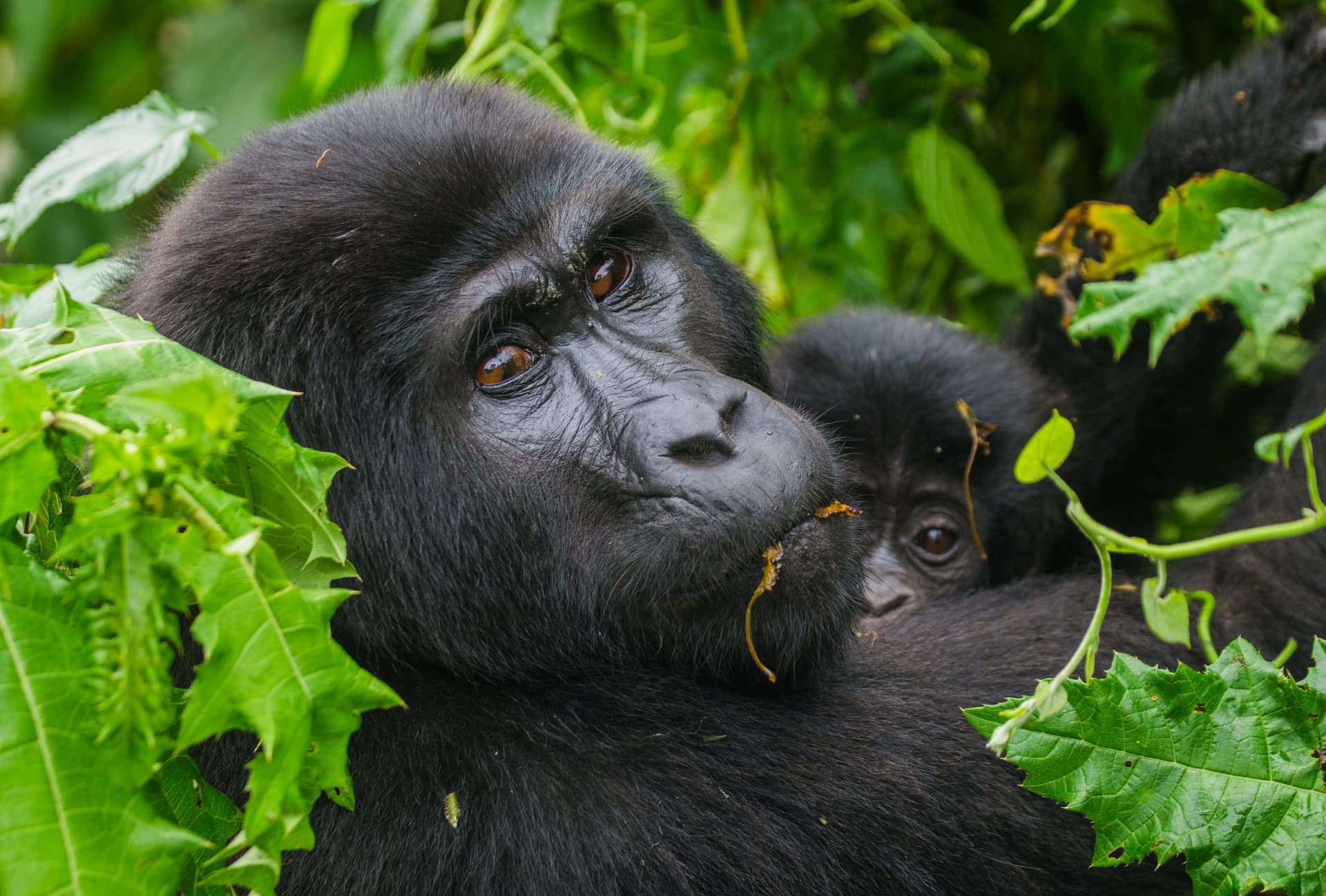
The mountain gorilla is a subspecies of Eastern gorilla found only in Rwanda, Uganda, and eastern Democratic Republic of the Congo. Bwindi Impenetrable National Park actually houses half of the world's mountain gorilla population.
The challenge? Listed as critically endangered on the IUCN Red List, the mountain gorilla is extremely vulnerable. It faces numerous threats: poaching, illegal trafficking, deforestation and habitat fragmentation, human-transmitted diseases, conflicts, and civil unrest.
Recognizing this crisis, many protective measures have been implemented in reserves and national parks in the affected countries to preserve the species and prevent extinction. Among them: the famous gorilla permit!
In Uganda, donations and tourism revenue allow park authorities, beyond paying staff and employees, to contribute to gorilla conservation and protection. This includes several action programs:
Surveillance and scientific research programs to understand the wildlife in these regions;
Rangers, forest guards, observers, park wardens, and surveillance agents who patrol to track animals and, critically, combat poaching, illegal wildlife trade, and habitat destruction;
A team of full-time veterinarians caring for animals, treating illness and injury.
To Support Local Communities

Gorilla permit revenue isn't solely dedicated to mountain gorilla conservation. It also supports local communities.
Indeed, the Uganda Wildlife Authority (UWA) shares 20% of annual park revenue with populations living around Uganda's national parks and reserves. Additionally, the agency allocates 10 USD for each gorilla permit sold in Bwindi National Park.
All shared funds support community projects designed to reduce human-wildlife conflict while improving livelihood in the region's villages. Projects already implemented include school construction, health centers, water reservoirs, livestock purchases, and crop cultivation.
Premium Tourism... But a Winning Strategy for Species Conservation!
Despite their cost, gorilla permits prove to be a winning strategy. They're part of a broader conservation plan for the species.
To understand better, let's look back at the 1970s. At that time, mountain gorillas were on the brink of extinction—their disappearance was even expected in the 1990s. Inspired by renowned American primatologist Dian Fossey, species conservation became a global cause. A rescue plan eventually emerged thanks to mobilization from the three neighboring countries harboring the last mountain gorillas.
The result? As WWF shows, mountain gorilla numbers are increasing. According to the latest primate census by the Greater Virunga Transboundary Collaboration, mountain gorilla numbers have risen from 250 in the 1970s to 480 in 2010, then to 604 today.
Furthermore, though still endangered, mountain gorillas were upgraded in 2018 from 'critically endangered' to 'endangered' by theIUCN. Today, this is the only great ape subspecies showing an increasing population.
While all conservation efforts deserve credit, tourism development has been key to this success. As Kirsten Gilardi, American director of Gorilla Doctors, stated in aninterview with Le Monde: "The mountain gorilla's tourism value has saved it from extinction."
That's why the gorilla permit costs so much: because it contributes to the conservation and protection of our closest cousins.
Have a question? Need help organizing your Uganda trip and gorilla encounter? Don't hesitate to contact us! In the meantime, discover an example 4-day circuit to meet Bwindi's gorillas.
Frequently asked questions
Since July 1st, 2024, a gorilla permit in Uganda costs 800 USD per person for non-resident foreigners. Resident foreigners pay 700 USD, African residents outside Rwanda pay 500 USD, and East African Community (EAC) citizens pay 300 USD. These prices are set by the Uganda Wildlife Authority (UWA).
The gorilla permit includes park entrance fees (40 USD for non-residents), guide and ranger fees, and a contribution to gorilla protection and community development. It entitles you to 1 hour of mountain gorilla observation after a 3 to 7-hour trek. However, accommodation, meals, transportation, and tips are not included.
Gorilla permits can be booked through the Uganda Wildlife Authority (UWA) or via a specialized travel agency. Due to the limited number of permits per day (8 per gorilla group), it's strongly recommended to reserve several months in advance, especially for Mgahinga National Park, which issues only 8 permits daily.
A standard gorilla permit allows 1 hour of observation with groups of maximum 8 people for 800 USD. Gorilla habituation is a different program limited to 4 people maximum, allowing up to 4 hours with semi-habituated groups accompanied by rangers and researchers. This program costs 1,500 USD per person and is available only at Bwindi National Park.
Gorilla permits are not issued to children under 15 years old. Children turning 15 within the year of travel may be accepted. It's recommended to confirm this requirement when booking.
The high price of the gorilla permit (800 USD) reflects the cost of protecting mountain gorillas, listed as endangered by the IUCN. Funds support rangers fighting poaching, veterinarians treating animals, and scientific research programs. Additionally, 20% of park revenue is redistributed to local communities for projects like schools, health centers, water reservoirs, and livestock.