Encounter with the Rhinoceroses of Ziwa Sanctuary
Ziwa Sanctuary is an essential stop on any journey through Uganda. And for good reason—it's the only place where you can still see rhinoceroses in the country.
Ziwa Sanctuary is an essential stop on any journey through Uganda. And for good reason—it's the only place where you can still see rhinoceroses in the country. From the sanctuary's history to safaris for observing rhinoceroses, and all the other activities the park has to offer, discover everything you need to know about the Ziwa Sanctuary in Uganda.
Ziwa Sanctuary, the only place to see rhinoceroses in Uganda
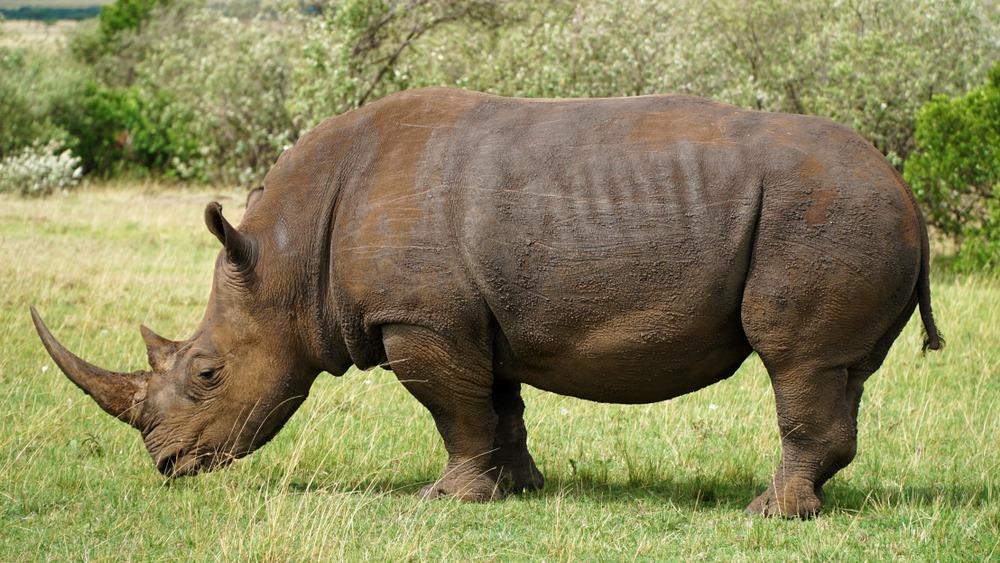
In the 1960s, Uganda was home to nearly 400 rhinoceroses. Unfortunately, due to intense poaching and the destruction of natural habitats, rhinoceros populations dwindled until they disappeared completely in the early 1980s.
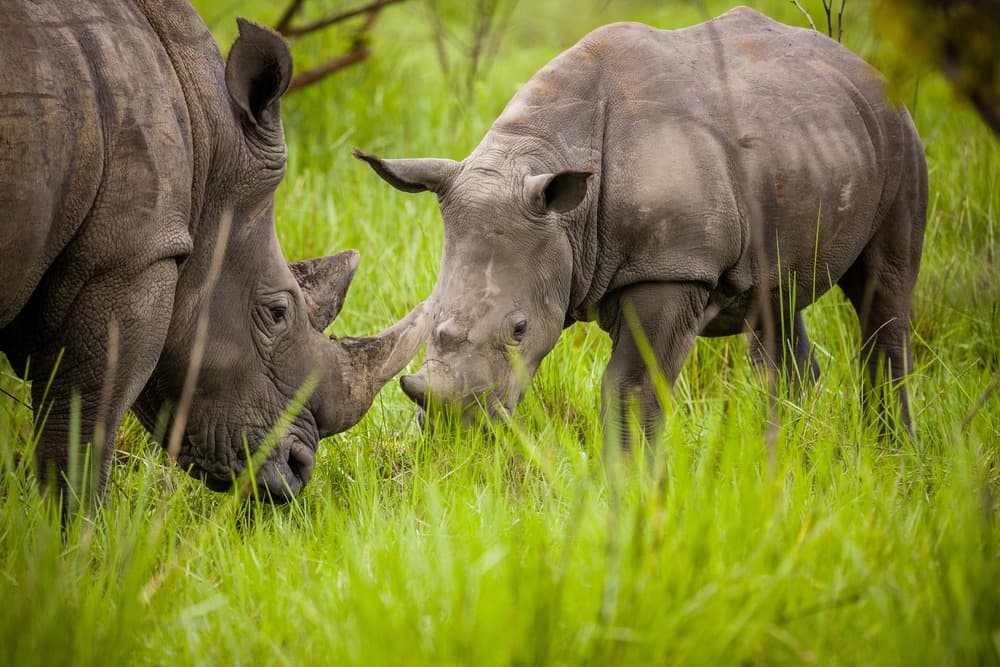
To protect this endangered species and reintroduce it to Uganda, the NGO Rhino Fund Uganda launched a project in 1997. Thanks to extensive fundraising efforts, Ziwa Rhinoceros Sanctuary was established in 2005. The goal? To reintroduce rhinoceroses into the wild so they could roam the plains and their natural habitats as they once did!
Initially, 6 Southern white rhinoceroses were imported from Kenya and Disney's Animal Kingdom in the United States and introduced into the sanctuary. Since then, the rhinoceros population in the sanctuary has grown to 33 individuals. Ultimately, the goal is to reintroduce the species into its natural environment, particularly around Murchison Falls National Park.
Observing the rhinoceroses in Ziwa Sanctuary—how does it work?
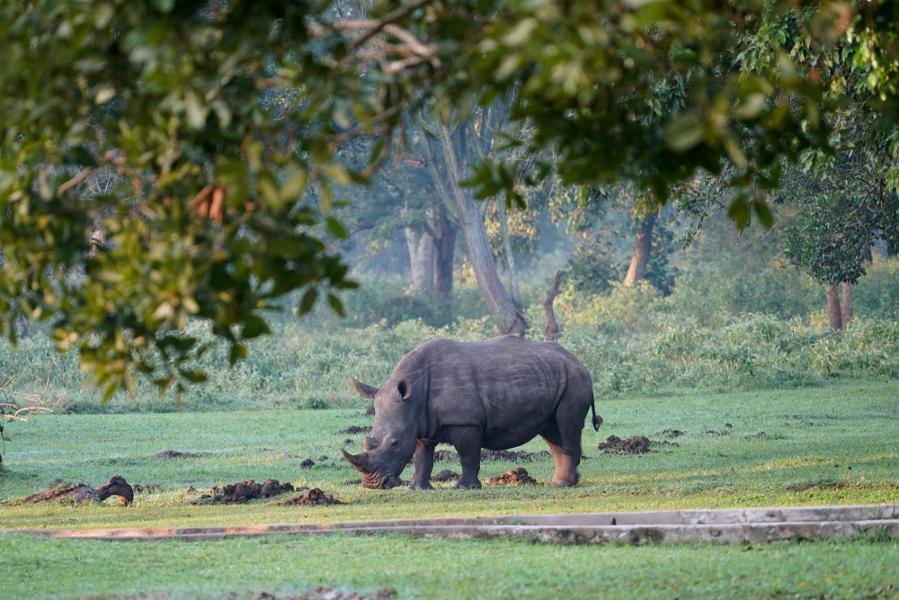
As you can see, Ziwa Sanctuary is the only place where you can observe rhinoceroses in their natural habitat in Uganda. To meet them, you can embark on a "rhino trekking" experience. How does it work?
To start with, know that rhinoceroses are free to roam across 7,000 hectares of land. This is why you need a vehicle to reach the areas where they're found before beginning a walking safari. You can use your own rental car or take advantage of Ziwa Sanctuary's services by renting a park vehicle with a private driver.
After being briefed by the trackers and rangers of the RFU (Rhino Fund Uganda) on the areas to visit, safety rules, and proper behavior during your visit, you'll set out accompanied by guides for a walking safari lasting approximately 1.5 to 2.5 hours.
All that's left is to let yourself be carried across the plains and savanna expanses until that magical moment you've been waiting for arrives: encountering the rhinoceroses…
What else is there to do at Ziwa Sanctuary besides observing rhinoceroses?
Beyond rhinoceros observation, Ziwa Sanctuary offers numerous activities that delight nature and wildlife lovers. Here are the main ones:
Observing other animals in the sanctuary
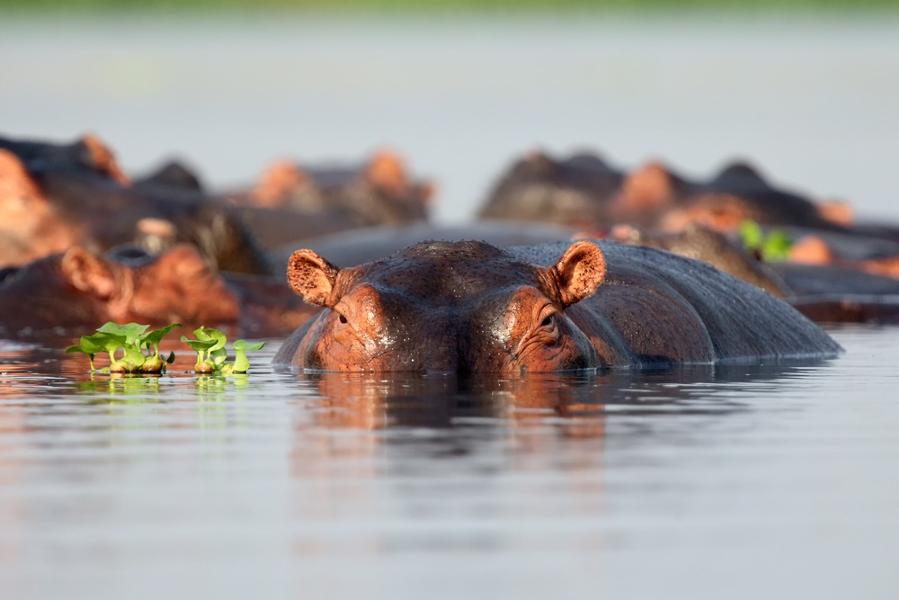
While the rhinoceros is the primary attraction at Ziwa Sanctuary, the park is home to an abundance of wildlife you may encounter during your visit. Indeed, the reserve is home to roughly forty mammal species as well as a wide variety of birds and reptiles.
Among the animals you may come across during your visit are:
antelopes,
Uganda kobs,
oribis,
common grey duikers,
bushbuck and water deer,
warthogs,
primates (vervet monkeys, black-and-white colobus monkeys…),
honey badgers,
porcupines,
hippopotamuses,
crocodiles…
Bird watching walk
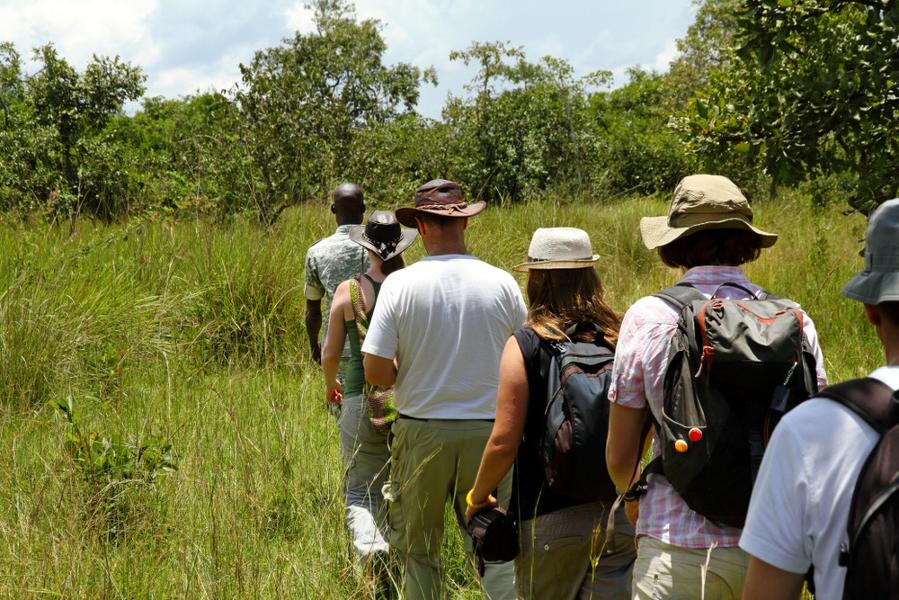
With over 300 bird species recorded, birdwatching is one of the flagship activities at Ziwa Sanctuary. There are 4 hiking trails: some trails cover woodlands, others marshes, and still others the park's savanna. It's also a chance to spot other wild animals…
Birdwatching walks are conducted with ornithological guides. They typically last 2 hours and are best enjoyed early in the morning or at sunset.
Canoeing and Shoebill Trek
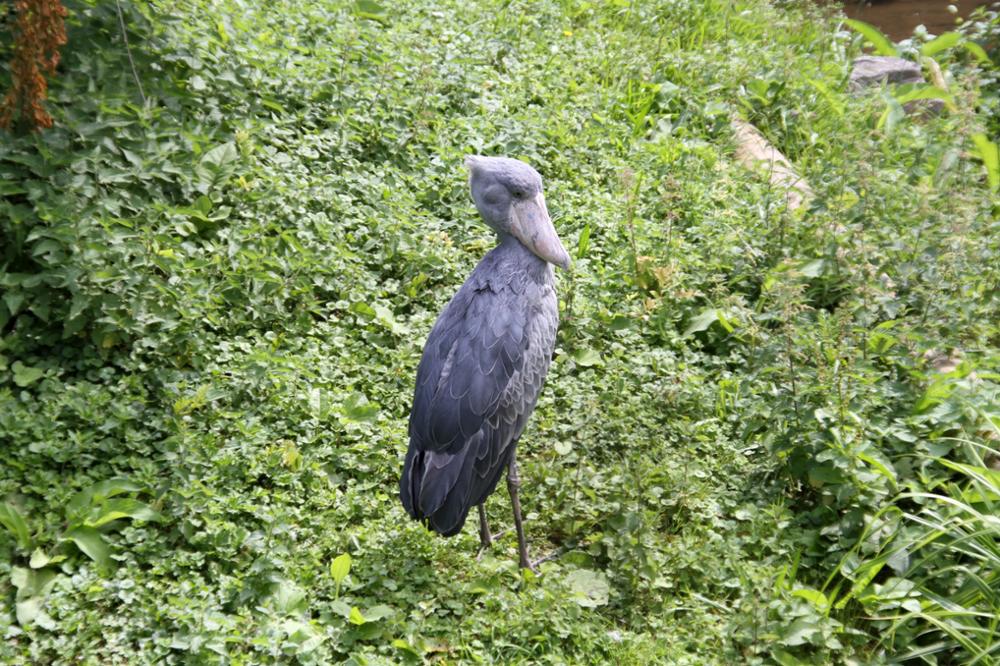
Discover the park's ecosystem from a different angle and encounter one of the world's rarest and largest birds—does that sound appealing? To do so, you can take a canoe trip through the Lugogo Wetlands.
Located on the border of Ziwa Sanctuary, this 10-kilometer wetland zone offers visitors the opportunity to behold a multitude of rare animals and birds, including the famous Shoebill. Better known as the African whale-headed stork, this threatened and endangered bird is easily recognizable by its imposing and prehistoric appearance.
During this canoe trip, you may also see the white-crested turaco, the giant kingfisher, the palm-nut vulture, various barbets, and most woodpecker species…
Note: This activity lasts approximately 4 hours and takes place early in the morning (at 6 a.m.). For this reason, it's best to stay overnight to participate in this experience.
Night safari
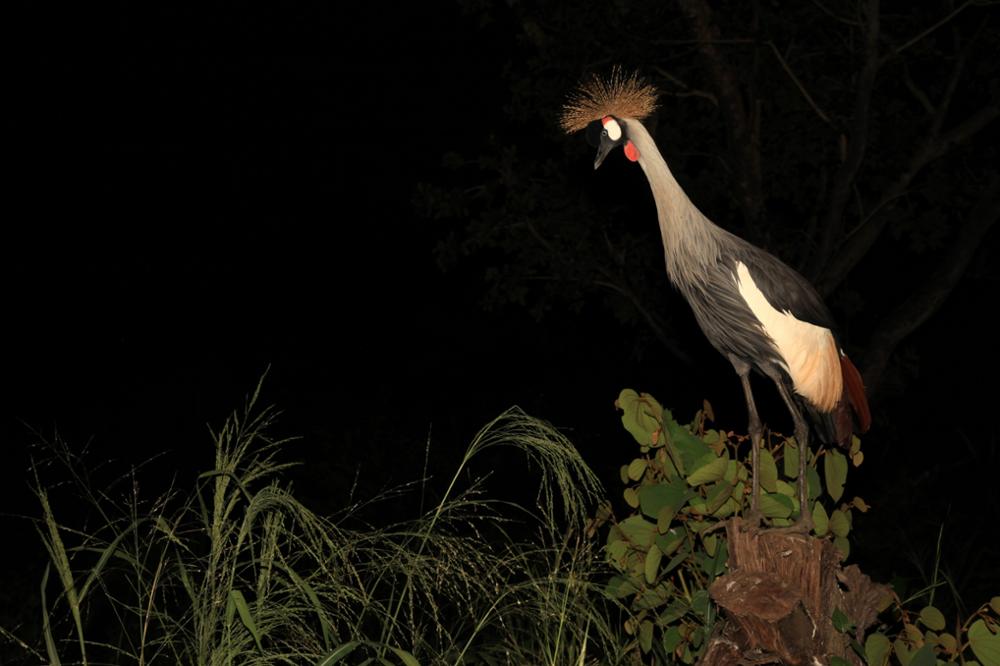
For travelers seeking thrills, don't miss a night walk during your visit to Ziwa Sanctuary. Night safaris allow you to encounter elusive animals that are rarely seen during the day. Think, for example, of leopards or aardvarks. Accompanied by a guide and a flashlight, you'll experience something truly unique that you won't soon forget…
Itinerary
Our agency has designed a bespoke itinerary within Ziwa Sanctuary in Uganda for you.
To take advantage of it, click here!
Frequently asked questions
Rhino trekking rates at Ziwa Sanctuary vary depending on the season and options chosen (personal vehicle or park vehicle). It is advisable to check the current rates directly with Rhino Fund Uganda or your travel agency before departure.
Ziwa Sanctuary is located approximately 176 kilometers north of Kampala, about 3 hours by road. It is accessible by rental car or private transfer. The sanctuary sits on the road leading to Murchison Falls National Park, making it an ideal stop on a tour of northern Uganda.
Ziwa Sanctuary is currently home to 33 Southern white rhinoceroses, descended from the 6 individuals originally imported from Kenya and Disney's Animal Kingdom in the United States in 2005. These rhinoceroses roam freely across 7,000 hectares of savanna.
It is strongly recommended to stay at least one night at Ziwa Sanctuary if you wish to participate in the canoe ride through the Lugogo Wetlands to observe the Shoebill. This activity starts at 6 a.m. The night safari also requires you to be present after sunset.
Ziwa Sanctuary is accessible year-round. The dry seasons (June to August and December to February) are generally the most pleasant for safaris, as vegetation is less dense and animals concentrate around water sources. Birdwatching is optimal during the rainy season when migratory species are present.
Beyond rhinoceroses, Ziwa Sanctuary is home to roughly forty mammal species including hippopotamuses, warthogs, various antelopes, vervet monkeys and colobus monkeys, as well as crocodiles. Over 300 bird species have been recorded there, including the rare African whale-headed stork (Shoebill), observable during the canoe ride through the Lugogo Wetlands.