Parks and nature reserves where to see elephants in Uganda
The elephant is one of the must-see animals when traveling to Uganda. Discover in this article the national parks and reserves where you can see wild elephants
The elephant is one of the must-see animals when traveling to Uganda. Discover in this article the national parks and reserves where you can see wild elephants throughout the country as well as all our tips for going on safari safely.
Seeing wild elephants in Uganda
There are approximately 6,500 wild elephants in Uganda, comprising two main species: savanna elephants (Loxodonta africana) and forest elephants (Loxodonta cyclotis). Indeed, elephants live primarily in Ugandan savannas but are also found, in smaller numbers, in the country's tropical forests.
Weighing up to 6 tons, the elephant is the largest and heaviest animal belonging to the famous Big 5. Although they are impressive, elephants are majestic animals. One thing is certain—seeing wild elephants in their natural state in Uganda is an experience that leaves a lasting impression.
Parks and reserves where you can see elephants in Uganda
It is possible to see elephants in all Ugandan national parks, with the exception of Lake Mburo National Park. You can also see them in certain reserves in the country. Here are the main sites where you can see elephants in Uganda:
Murchison Falls National Park
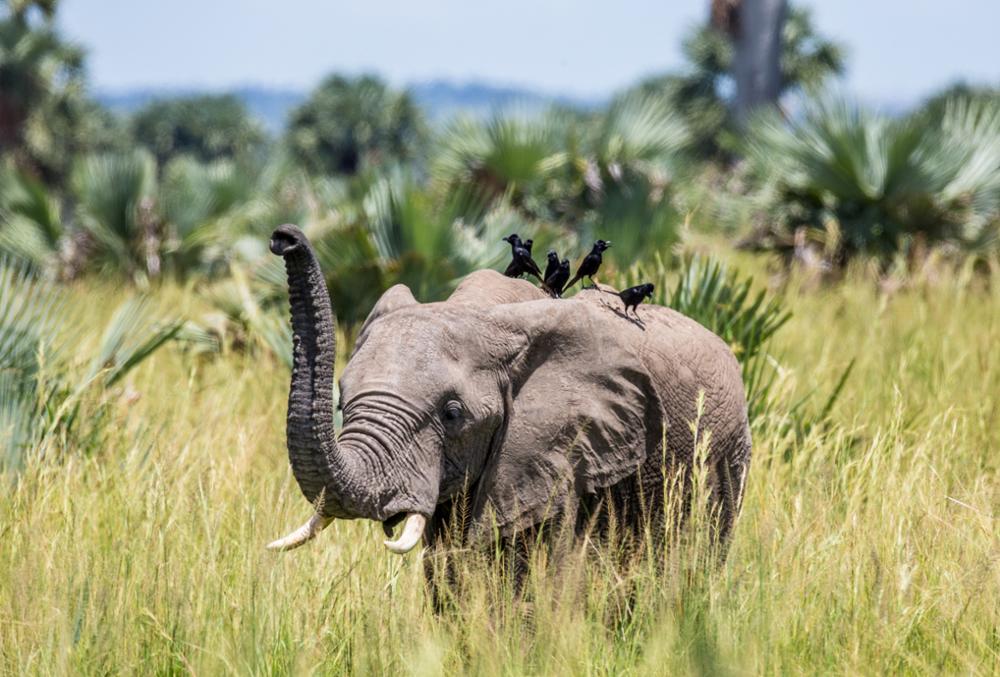
Located northwest of Kampala, in the northern part of the Albertine Rift Valley, Murchison Falls National Park is the largest and best-known protected area in Uganda. While it is known for its famous falls and spectacular cascades, the park is also considered, thanks to its incredible biodiversity, one of the best safari destinations in Uganda.
Head to the northern part of the park to observe savanna elephants. You can also arrange a boat safari on the Nile to try to see these pachyderms (and other animals) drinking along the river.
The Queen Elizabeth National Park
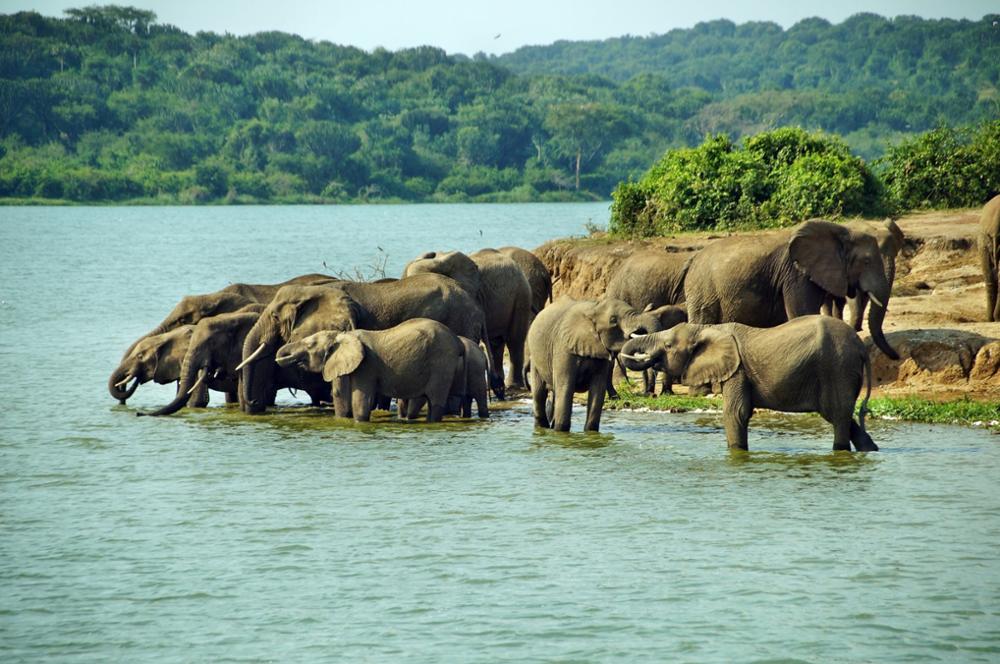
Renowned for containing one of the greatest biodiversities in the world, Queen Elizabeth National Park is also considered one of the best Ugandan parks for wildlife safaris.
Located in Kasese district, in the western part of the country, the park spans 1,978 km² and comprises numerous landscapes: from savanna to tropical forests to papyrus marshes and lakes nestled in extinct volcanic craters! The park is home to no fewer than 90 species of mammals, including a large population of elephants.
Kidepo Valley National Park
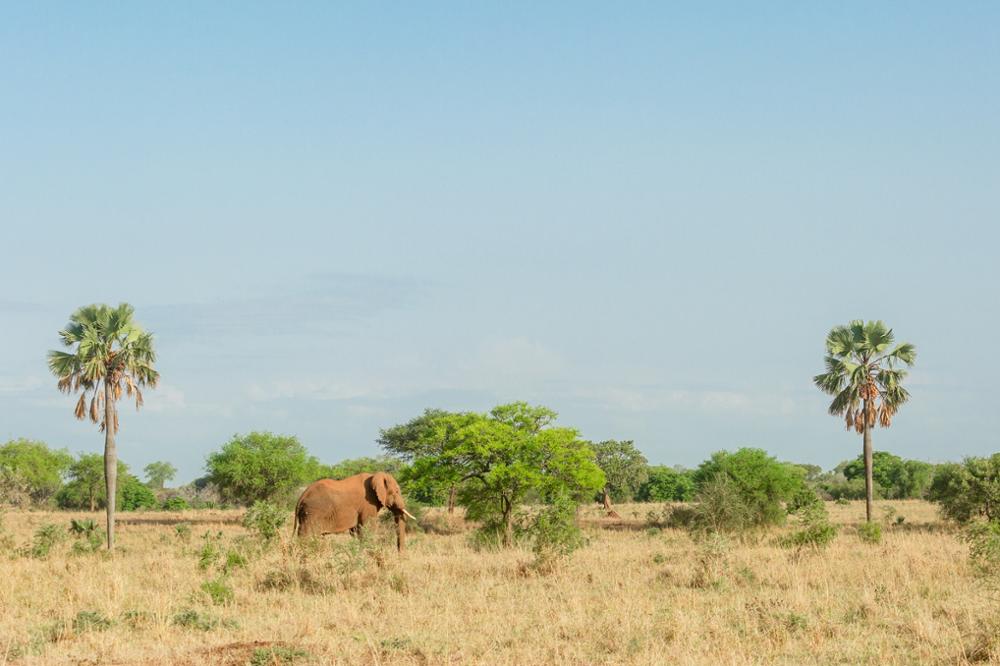
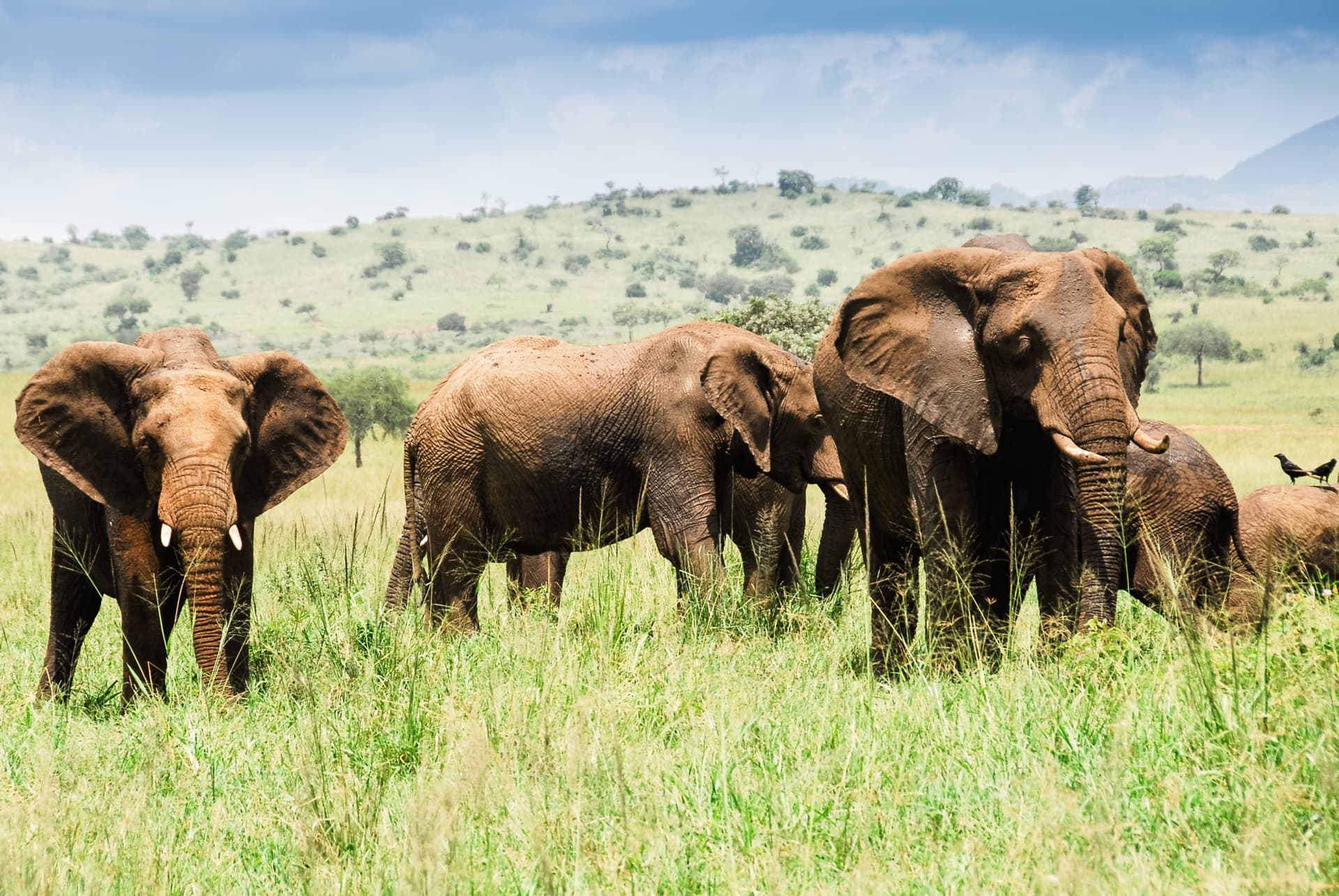
Located 800 km north of Kampala, at the border with Kenya and South Sudan, Kidepo Valley National Park is the most isolated of all Ugandan parks. For many, it is the most beautiful natural park in Uganda. One thing is certain—it is the ideal place to get away from ultra-touristy safaris and venture off the beaten path.
Characterized by vast plains covered with tall grasses and forest corridors, this mountainous region is home to numerous herds of elephants as well as buffalo, zebras, giraffes, lions and leopards...
Bokora Reserve
Located in the northeastern part of the country, the Bokora Wildlife Reserve is Uganda's second largest animal reserve. Despite harsh conditions due to drought, the reserve welcomes rich fauna that has adapted over the centuries.
Elephants from Sudan pass through the region and come into the reserve to drink from the seasonal Kidepo River and graze in neighboring reserves, during or after the rainy season.
The forests of Mgahinga Gorilla National Park
Located at the extreme southwestern tip of Uganda, at the border with Congo and Rwanda, Mgahinga Gorilla National Park is, as its name suggests, one of the last refuges of mountain gorillas in the world. It is also Uganda's smallest national park.
Located between 2,227 m and 4,127 m in altitude, the forests of the reserve are home to gorillas and numerous primates as well as forest elephants. In the company of a game ranger, you can set out on a trek to encounter all these magnificent creatures.
Bwindi Impenetrable Forest National Park
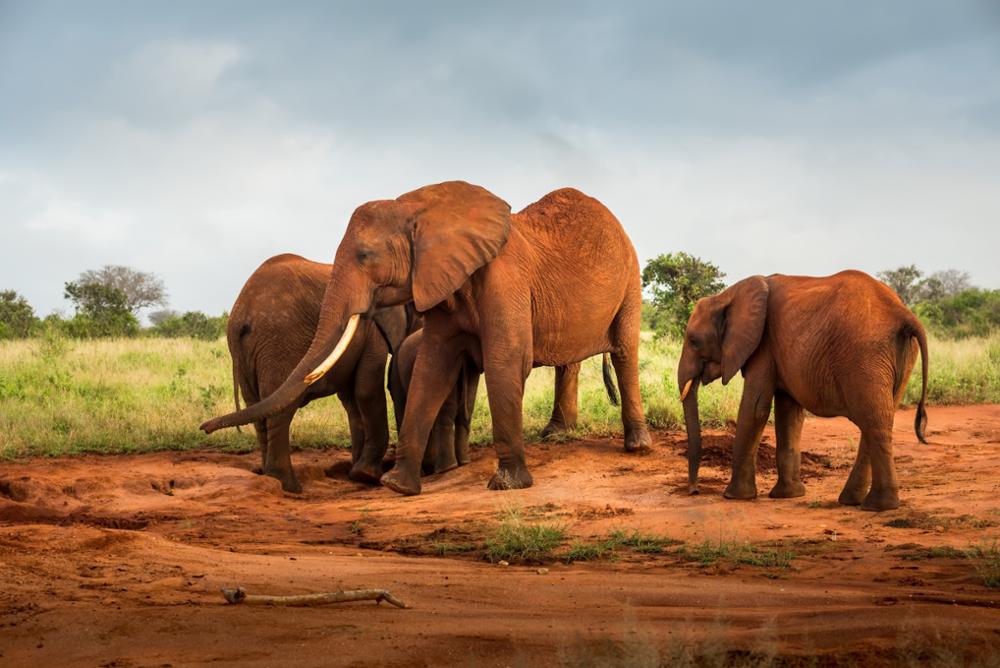
In the southwestern part of the country, along the border between Uganda and the Democratic Republic of the Congo, lies Bwindi Impenetrable Forest National Park. Here too, it is a park particularly renowned for its numerous primate colonies including chimpanzees and mountain gorillas.
But beyond primates, you will also discover 120 species of mammals including the forest elephant. To see them, you have plenty of options: hiking, safaris or trekking!
Pay attention to safety guidelines during a safari As with all safari destinations, you must strictly follow safety guidelines to encounter the Ugandan wild in complete safety. As a reminder, here are the rules of conduct to adopt when going to see elephants (and other animals) on a safari in Uganda:
|
Do you wish to travel to Uganda to discover its incredible wild fauna? Discover our itinerary 'African Big Game and Isolated Peoples of Northeastern Uganda' which will take you to discover the country's main national parks where you can go on safari to encounter the Big 5 and numerous other animals of this wild land.
Frequently asked questions
It is estimated that approximately 6,500 wild elephants live in Uganda, divided between two main species: the savanna elephant (Loxodonta africana) and the forest elephant (Loxodonta cyclotis), the latter being present in smaller numbers in the country's tropical forests.
The dry season (June to September and December to February) is generally the best time to observe elephants in Uganda. Animals concentrate around water points, trails are more passable, and less dense vegetation makes observations easier.
Murchison Falls National Park, Uganda's largest park, and Queen Elizabeth National Park, which is home to no fewer than 90 species of mammals including a large population of elephants, are considered the best sites for observing elephants in Uganda.
You can observe elephants in almost all Ugandan national parks, with the notable exception of Lake Mburo National Park. Certain reserves such as Bokora Wildlife Reserve also welcome herds of elephants, particularly those coming from Sudan.
Observing wild elephants in Uganda is safe provided you follow safety guidelines: maintain a safe distance, stay in the vehicle outside authorized pedestrian areas, never honk or shout, and always be accompanied by an experienced local English-speaking guide who understands animal behavior.
The savanna elephant (Loxodonta africana) is the larger of the two and lives in Uganda's vast plains. The forest elephant (Loxodonta cyclotis) is smaller and lives in tropical forests such as those in Bwindi and Mgahinga parks. They are distinguished notably by size, ear shape and tusk form.