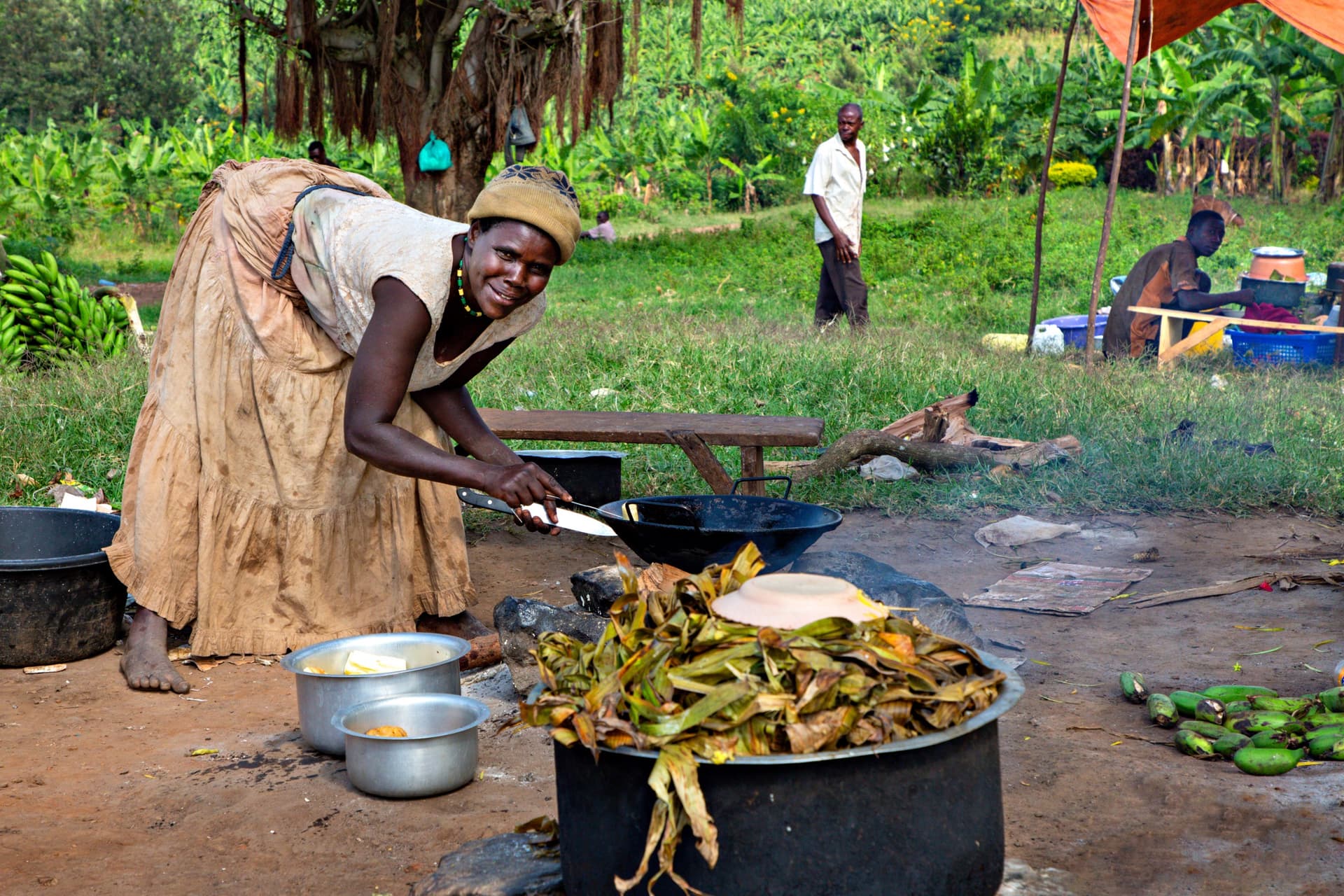
What to Eat While Traveling in Uganda? Local Specialties to Try
Planning a trip to Uganda and wondering what you'll be able to eat there?
Planning a trip to Uganda and wondering what you'll be able to eat there? Meat and fish-based dishes, vegetarian plates, and unusual specialties—we've gathered all the Ugandan culinary specialties you absolutely must try during your stay.
Meat-based Ugandan dishes
Luwombo
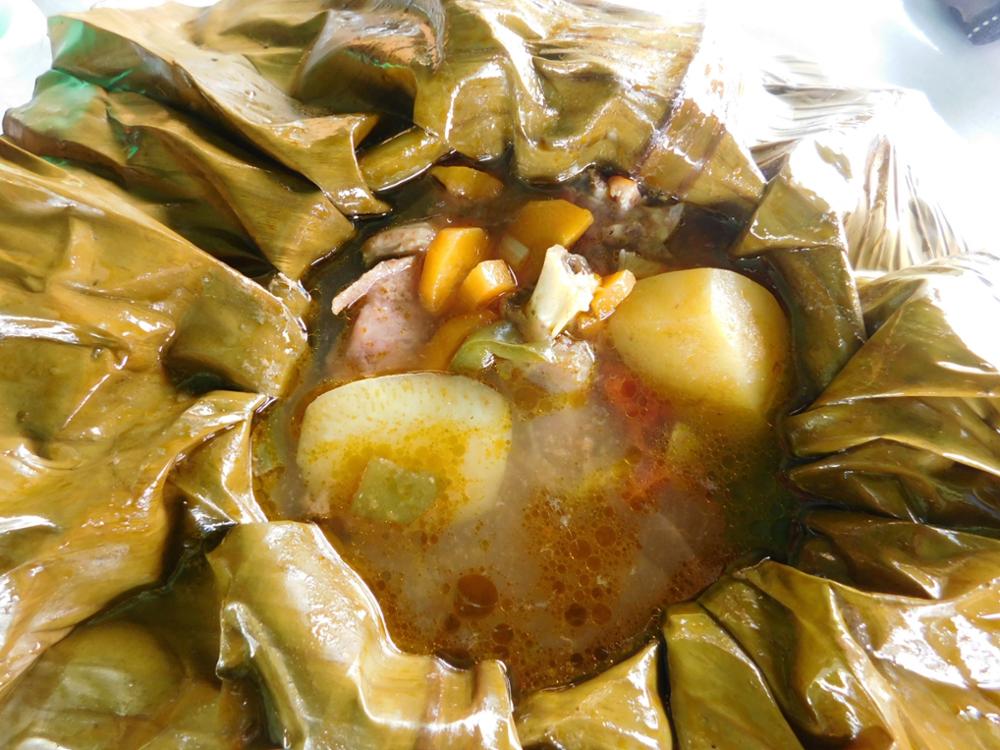
Once reserved for royalty, Luwombo is now one of the iconic dishes of Ugandan cuisine. Due to the complexity of its preparation, it's served for special occasions. You'll also find it in certain local restaurants.
This is a meat-based dish (usually chicken, beef, or goat) that is steamed in banana leaves for several hours. It's enjoyed with a peanut sauce and can be served alongside matooke.
Kikalayi
If you love pork, don't miss out on Kikalayi. A quintessential family and social dish, it consists of fried pork typically served on a large platter in the center of the table for sharing. Some add red chili peppers. This Ugandan specialty gets its name from the local frying pans used to cook the pork.
Mkate Na Mayai
Mkate Na Mayai is a Ugandan recipe of Arab origin. Literally translated as "bread and eggs," this specialty is made from wheat dough filled with minced meat (previously fried) and a raw egg. The whole thing is folded into a packet and then pan-fried.
Muchomo
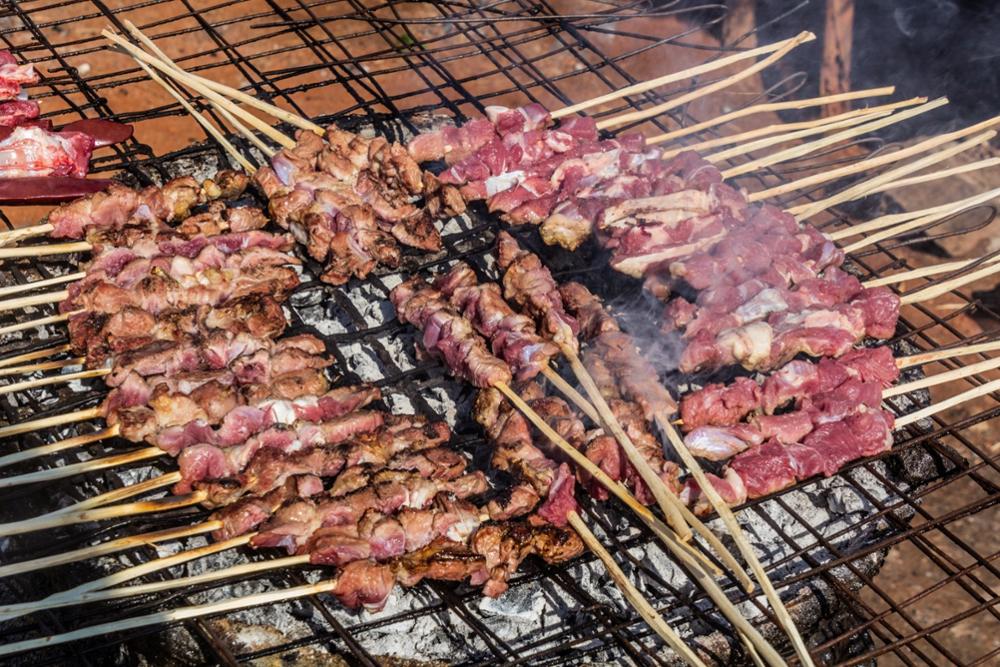
If you love barbecue and street food, you'll adore Muchomos. These are simple meat skewers (chicken, beef, pork, goat...) cooked over a wood fire. Some add spices to flavor the skewers such as cumin, cardamom, or chili peppers.
Fish-based Ugandan dishes
You can find fresh fish at certain markets (particularly around Lake Victoria with the iconic tilapia fish) and fish-based dishes (particularly stews or grilled fish) in some Ugandan restaurants, but in general, fish is more reserved for festive occasions among locals.
Vegetarian Ugandan specialties
Matooke
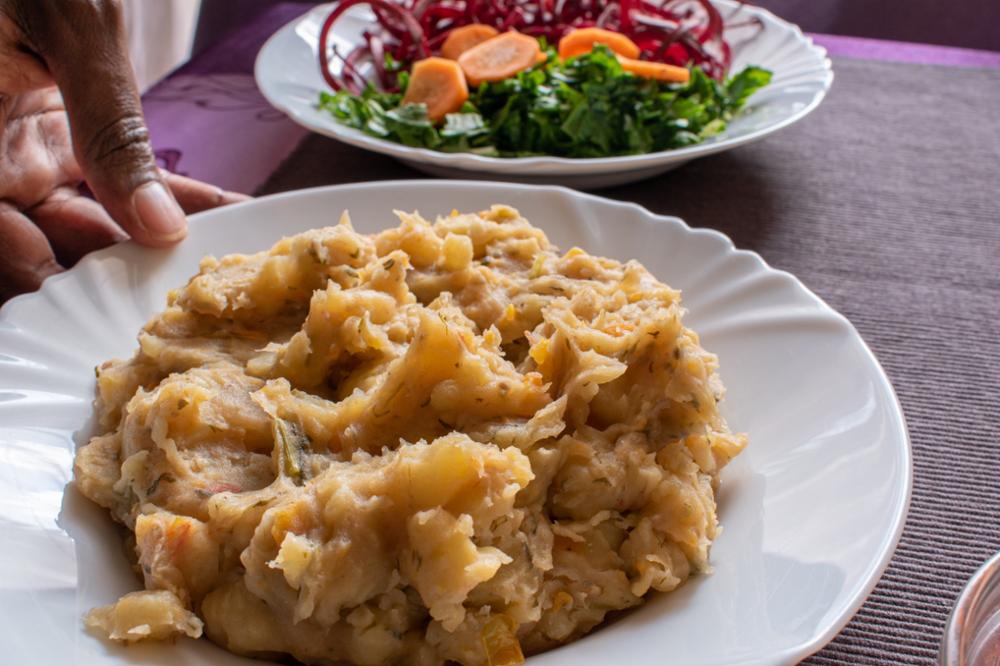
Declared the national dish of Uganda, Matooke is the most widespread typical dish in the country. It's made from a local variety of banana (of the same name) that grows on the tropical highlands of the Great Lakes region.
These large green bananas are peeled and boiled or traditionally cooked in banana leaves before being mashed into a purée. They're enhanced with garlic, onions, ginger, chili, milk, herbs, and spices (curry, green pepper, coriander...) and served with a peanut-based sauce.
A typical and inexpensive dish, Matooke is served throughout the country. It can be served on its own or as a side to meat or fish dishes. It can also be served with chapatis.
Kagoto
Literally translated as "mixture," Kagoto is a dish combining various foods: it can consist of matooke, cassava, Irish potatoes, beans, salad, avocado... Typically served for breakfast, this dish will delight vegetarians and everyone else!
Posho (or Ugali)
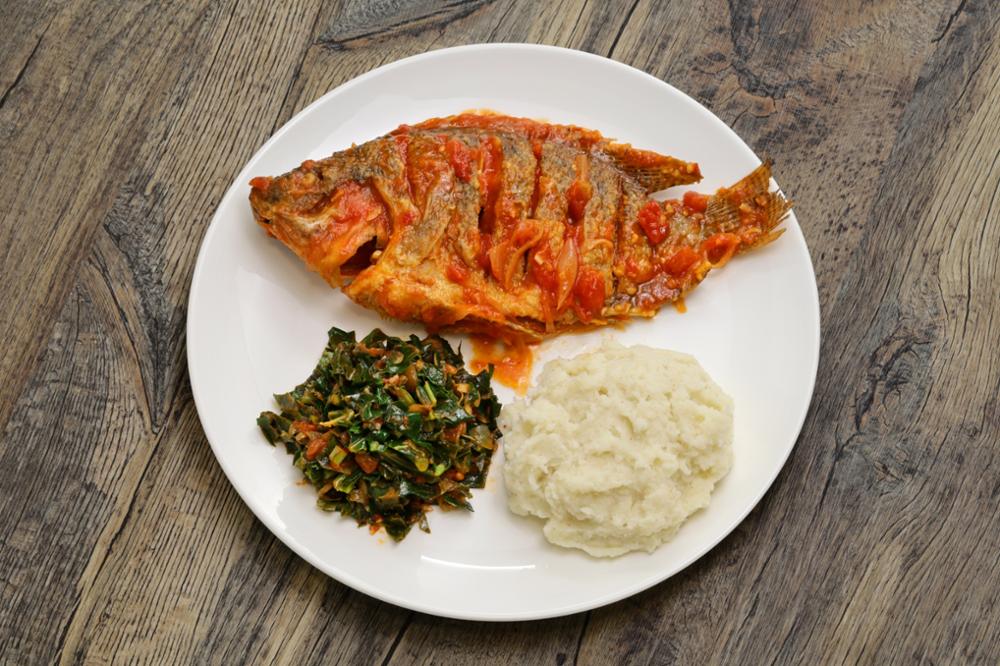
Posho (also called Ugali) is a staple food in East Africa and Uganda. Made from cornmeal mixed with boiling water to create a ball, Posho is eaten hot or cold. It easily replaces rice and can be enjoyed with sauce or as an accompaniment to vegetable, meat, or fish dishes.
Chapatis, Rolex, and Kikomando
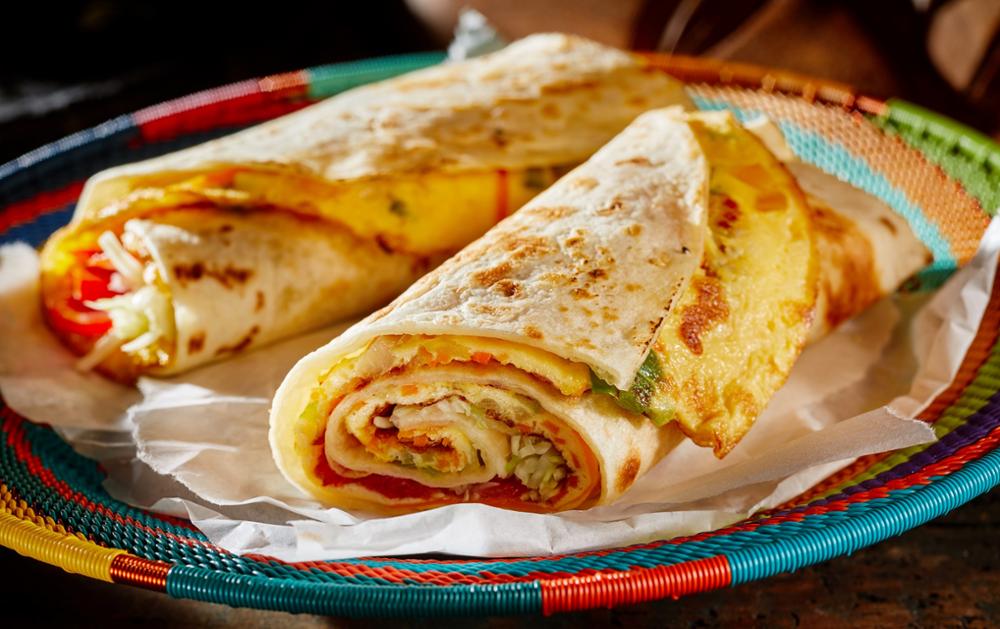
Marked by Indian influences, Uganda has several culinary specialties similar to those of India, such as samosas, curries, and the famous chapatis. There's also the Rolex, a chapati rolled and filled with omelets and small vegetables (tomatoes, onions, cabbage...). This specialty is served everywhere in the country, on roadsides, at street stalls, and in local restaurants.
Chapatis are also used to make kikomando, a dish made from chapatis cut into strips and red beans in sauce. Due to its low cost, this dish is very popular among workers and students.
The most unusual Ugandan specialties
Nsenene
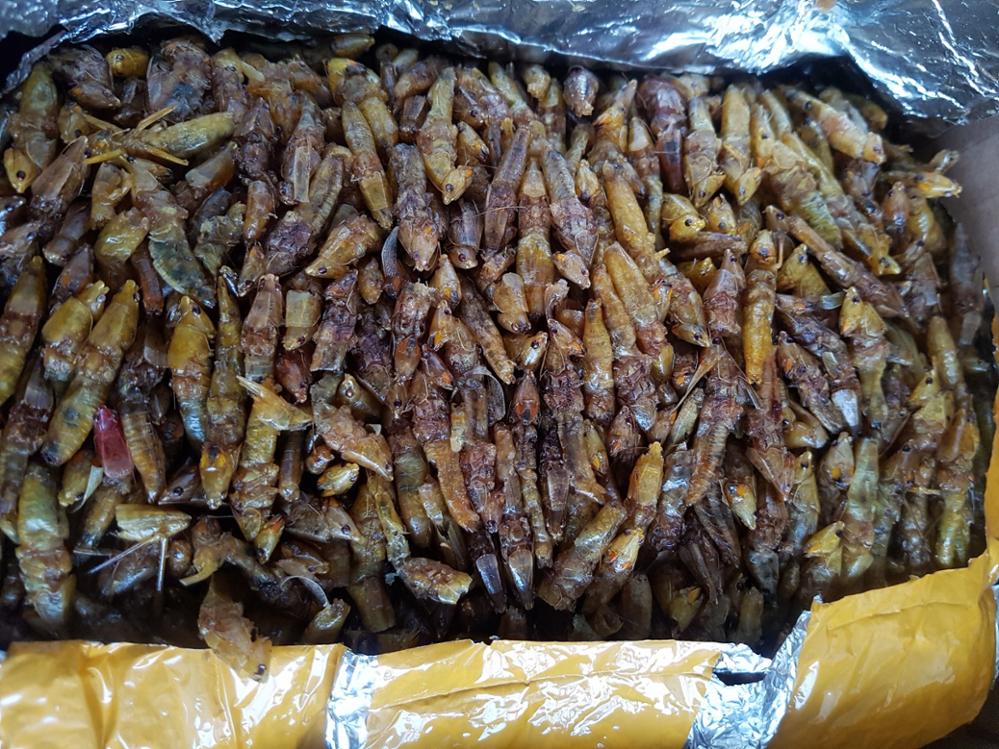
If you're the adventurous foodie type, we recommend trying an unusual Ugandan specialty: Nsenene. These are nothing more than grasshoppers, grilled and fried with salt and Ugandan spices.
Grasshoppers, a specialty that creates a sensation among Ugandans
Far from being used to attract curious tourists, grasshoppers are highly prized by locals. Appreciated for their nutritional value, they can be found at every street corner during the rainy season, when insects flood the country. Some Ugandans have even become grasshopper hunters. To capture them, they line up barrels on which they install corrugated metal sheets, which they illuminate with green light once night falls to attract grasshoppers into their trap.
Nswaa
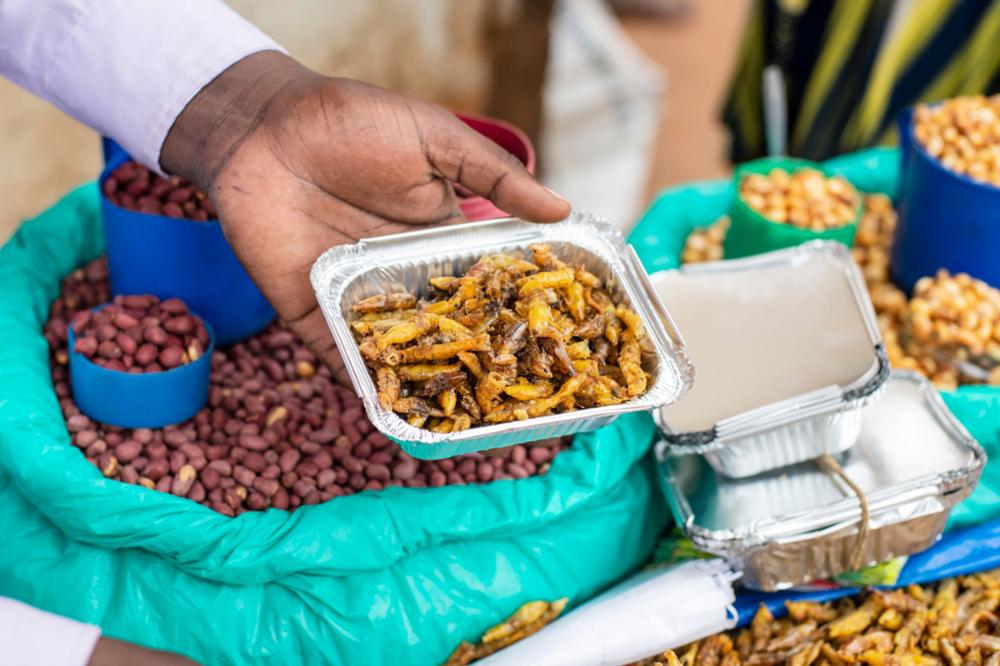
Here's another Ugandan culinary specialty that may surprise you. Nswaa are white ants (or termites) fried, which you can try at street food stalls or in certain restaurants. Locals flavor them with herbs and spices as well as garlic, tomato, and onions.
Bon appétit!
Frequently asked questions
Matooke is officially the national dish of Uganda. It's prepared from green bananas that are cooked and mashed into a purée, often served with a peanut sauce and spices. It's the most consumed dish throughout the country.
In Uganda, breakfast can include Kagoto (a mixture of matooke, cassava, beans, and vegetables), Chapatis, or a Rolex, a chapati filled with omelet and vegetables. These dishes are affordable, filling, and very widespread.
Yes! Nsenene, grilled and fried grasshoppers with spices, is a specialty highly appreciated by Ugandans, especially during the rainy season. Rich in protein, they're sold on the streets and at local markets.
Yes, Ugandan cuisine offers several vegetarian dishes: Matooke (green banana purée), Posho (cornmeal ball), Kagoto (mixture of vegetables and starches), Chapatis, and Kikomando (chapatis with red beans). Vegetarians will easily find plenty to enjoy.
Rolex is arguably Uganda's most iconic street food. It's a chapati rolled and filled with an omelet and vegetables like tomatoes, onions, and cabbage. You'll find it at every street corner for a very modest price. Muchomo (grilled meat skewers) and Kikomando are also very popular.