Kampala
Kampala
From its seven royal hills to the bustling Owino markets, Kampala unveils a living Buganda heritage and an effervescent cultural scene.
When you travel to Uganda, it's primarily to immerse yourself in breathtaking landscapes and wildlife. Yet logistics mean you'll likely pass through Kampala, the capital, if only for a night. But look on the bright side—you have the chance to visit the "best city to live in East Africa"!
History
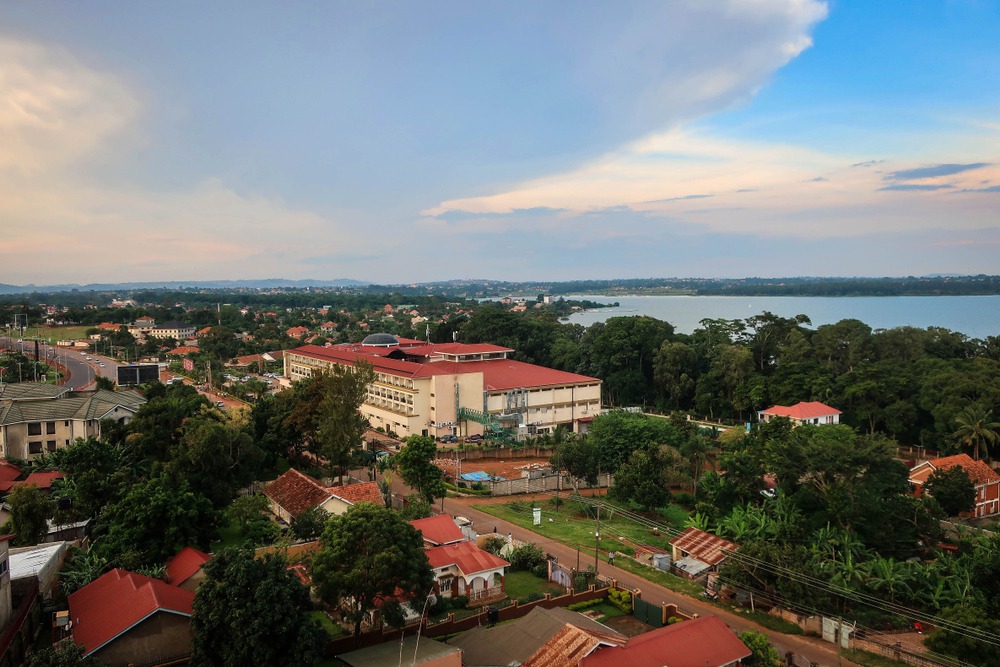
During the Kingdom of Buganda, King Kabaka established his favorite hunting ground in the Kampala region. The area was home to a significant population of antelopes, including the Impala. The city was built on seven hills near the Lake Victoria and became the capital of the kingdom:
- Kasubi where the Kasubi Tombs stand, preserving the remains of Buganda's kings
- Mengo which houses the current Kabaka's Palace, the seat of the Lukiiko Parliament and Buganda's Court of Justice
- Kibuli known for its mosque
- Namirembe which hosts an Anglican church
- Lubaga where the Rubaga Catholic Cathedral stands
- Nsambya, headquarters of the Mill Hill mission and current site of Nsambya Hospital
- Old Kampala or Kampala Hill where the remnants of Fort Lugard can be found.
When the British arrived in 1860, they renamed the region "Impala Hills," which later became Kampala. In 1962, Kampala achieved the status of Uganda's capital, previously held by Entebbe. The city suffered severe damage during clashes with Tanzania in 1978 and civil war following the overthrow of Idi Amin in 1979. After that, reconstruction was swift.
Discovering Kampala
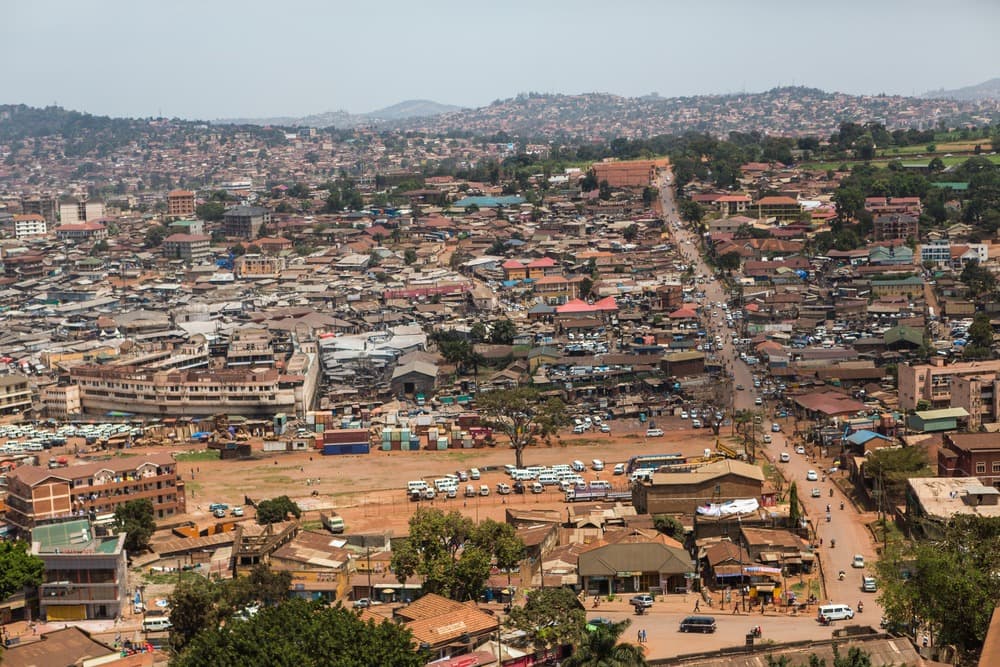
Kampala is a capital full of contrasts. Scenes of life and atmospheres vary from one district to another. In the city center, the business quarter illustrates the modern and frenetic side of Africa. Banks, tech startups, various enterprises, art galleries, shopping centers, government institutions, NGOs, and more! All of it's here. Be warned: traffic can be chaotic due to boda-bodas, street vendors, pedestrians spilling onto the sidewalks, and bus and taxi parks.
As you move away from the center, you'll find yourself in a dusty but equally vibrant suburb where modernity gives way to extreme poverty. Further out on the city's periphery, verdant, rolling landscapes stretch toward the countryside where residents have maintained a rural way of life. You'll find plantations of maize, bananas, and millet, as well as cattle ranches.
No Room for Boredom
Monuments abound in Kampala. Visit Rubaga and Namirembe Cathedrals, the Kasubi Tombs where the ancient sovereigns of Buganda rest, Kabaka's Palace, Makerere University… The Uganda National Museum has much to share about the country's history.
Food enthusiasts have a wide choice of restaurants, ranging from budget-friendly to prestigious addresses, while art lovers can enjoy performances in various concert halls and theaters. Kampala has a thriving artistic and musical scene where local and international influences coexist freely.
For shopping, head to the Nakasero or Owino markets where you'll discover an array of local products. As souvenirs from your visit to Kampala, pick up clay pottery, wooden sculptural decorative pieces, a kanzu robe for men or a goma for women, traditional musical instruments, paintings, and more.
What to See Around Kampala?
Kampala gives you direct access to Lake Victoria, the tourist attraction that made the country world-famous. Covering an area of 68,100 km², this gigantic natural wonder is nothing less than Africa's largest lake. Cruises are available to explore some of the 3,000 islands that dot it. You can also swim on its shores, fish, canoe, observe birds in the surrounding marshes, and more.
Kampala is also a great starting point for reaching:
- The town of Entebbe and its botanical garden
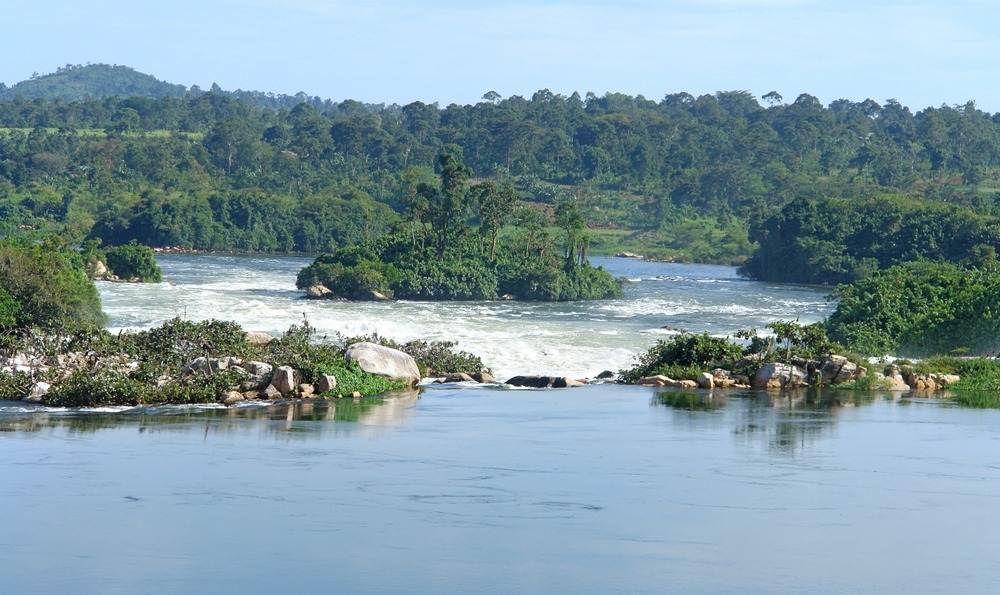
- The Nile Springs
- Lake Bunyoni
- The Bwindi and Mgahinga gorilla parks
- The Queen Elizabeth National Park
- Mount Stanley peaking at over 5,000 meters
- Mount Elgon, and more.
Practical Information
Climate
Due to its location straddling the equator, Uganda enjoys a tropical climate. Kampala benefits from good sunshine throughout the year, with moderate temperatures that rarely exceed 29°C. The city experiences two rainy seasons: the first between March and May, and the second from November to December. Showers can occur during dry months like June.
The airport is located in Entebbe, approximately 35 km southwest of Kampala. It welcomes flights from numerous African cities and a few destinations outside the continent such as Brussels in Belgium, Dubai in the United Arab Emirates, Istanbul in Turkey, and Amsterdam in the Netherlands. You can then take a taxi, boda-boda, or bus to reach Kampala from Entebbe. Additionally, buses, including overnight options, connect Kampala to Nairobi in Kenya—the journey takes 13 hours.
Matatus and minibuses constantly circulate in the city center. These are the most common transport means used by locals. Then you have boda-bodas or motorbike taxis, which are fast and available 24/7. If you prefer more comfort, you can rent a car from local or international agencies.
What to Do in Kampala?
- Explore Kampala's business center
- Admire the two towers of Rubaga Cathedral
- Visit the Kasubi site, a UNESCO World Heritage location
- Go on an excursion discovering the islands of Lake Victoria
- Head to Entebbe to discover its zoo and botanical garden, and more.
Want to discover this destination?
Our local advisors design your tailor-made trip.