Kibale Reserve
Kibale Reserve
Chimpanzee trekking, 13 primate species, Bigodi Wetlands: everything you need to plan your visit to Kibale National Park in western Uganda.
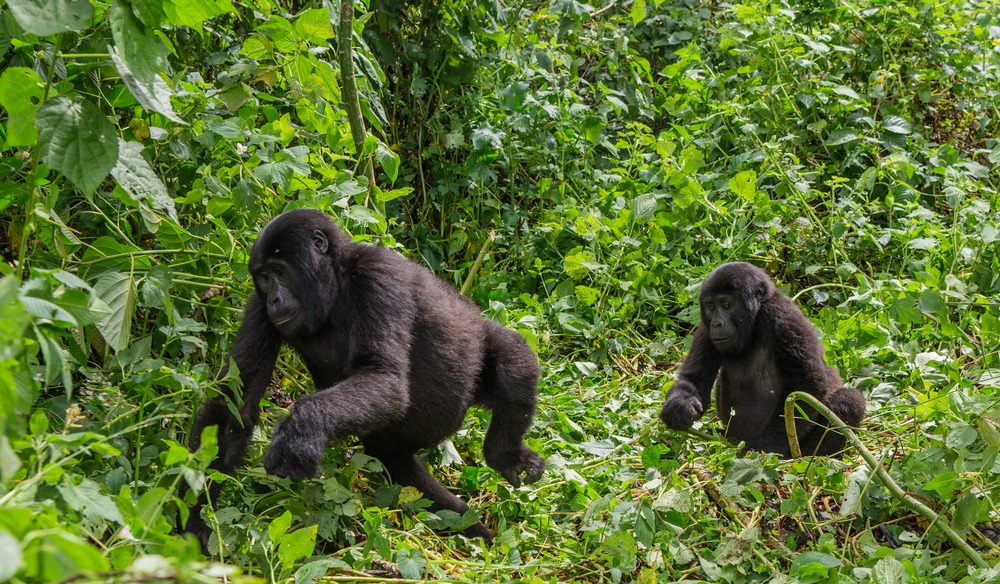
Loved the gorilla safari at Mgahinga? Now venture into the world of chimpanzees at Kibale National Park, nestled in the heart of an evergreen jungle.
History
The Kibale area was designated in 1932, then officially declared a national park in 1993. Its pristine forest extends into the Queen Elizabeth National Park and forms a wildlife corridor spanning 180 km. The park ranks among Uganda's finest safari and ecotourism destinations, renowned for its exceptional concentration of primates, particularly chimpanzees. It is home to Makerere University's biological station.
Discovering Kibale National Park
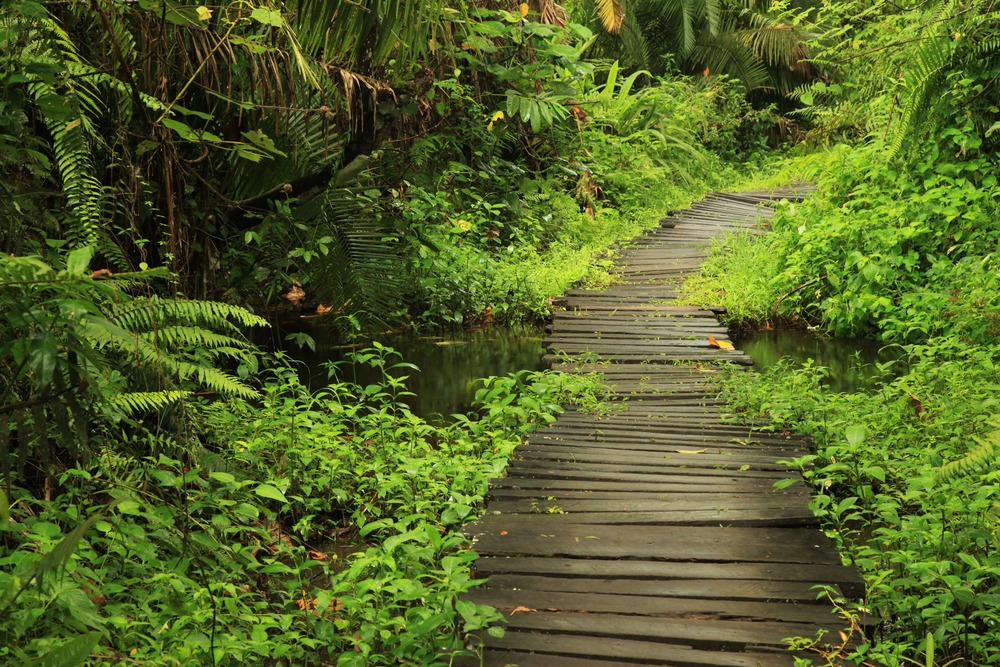
Prepare yourself for adventure—Kibale unveils a wild world brimming with treasures. Venture deep into dense vegetation where light struggles to penetrate. In the canopy, nature exists in its primal state: lichens blanket the trunks, epiphytes flourish on branches, and lianas hang and sway in the wind. Kibale sits at the intersection of East African dry forest and western humid tropical forests, creating remarkable habitat diversity for flora and fauna alike. Verdant hills and volcanic crater lakes complete the landscape.
A Forest Teeming with Life
Kibale is home to countless living beings. No fewer than 13 primate species inhabit its forests. A staggering 335 bird species frequent the park, including six endemic creatures of the region. The canopy shelters nearly 230 tree species, with the tallest towering over 50 meters high. The reserve also harbors large mammals—leopards, lions, buffalo, elephants—though they can sometimes prove elusive.
Share a Moment with Primates
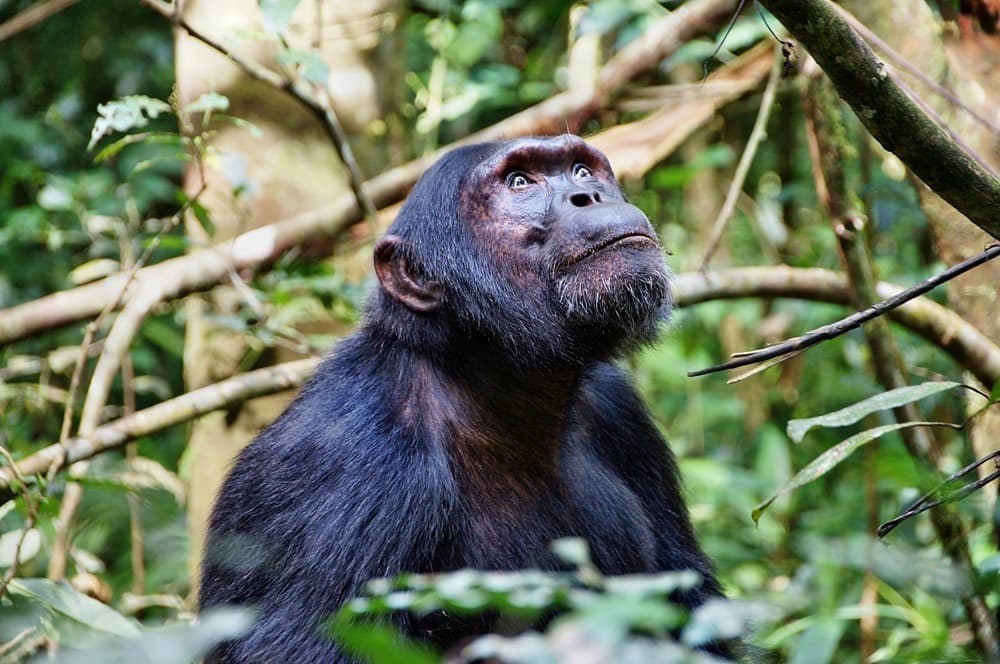
Kibale boasts East Africa's greatest primate diversity and population. Among them are the chimpanzee, L'Hoest's monkey, grey-cheeked mangabey, blue monkey, black-and-white colobus, and red colobus.
Every day, chimpanzee safaris depart from Kanyanchu. Set out on the trail of these remarkable creatures—considered humanity's closest living relatives—accompanied by a forest guide. Once contact is established, enjoy an hour observing their daily life, watching them play, and sometimes even forage together. If that's not enough, participate in chimpanzee habituation sessions running from dawn to dusk. You can also choose a night walk to discover the park's nocturnal primates.
Diverse Trails for Further Exploration
If you're a bird enthusiast, Kibale and the nearby Bigodi Wetlands will delight you. The region hosts numerous fascinating species, including the brown-breasted alethe, green-breasted pitta, and green-fronted bulbul. Leaving the park, continue your journey along tea plantations and ancient volcanic craters on the road to Fort Portal. Meet the native Batooro people and Bakiga immigrants to enrich your experience.
Practical Information
Kibale National Park lies in western Uganda, approximately 26 km from Fort Portal. The region's main tourist hub is Kanyanchu River Camp, reachable from Kampala either northbound via Fort Portal or southbound via Mbarara. Most visitors arrive from the north, traveling a 300 km paved highway to Fort Portal, then continuing roughly 30 kilometers to Kanyanchu. A secondary tourist center, Sebitoli Forest Camp, sits directly on the Kampala route, about 15 kilometers from Fort Portal. Daily buses connect the capital to Fort Portal, passing through Sebitoli. Public transport also runs between Fort Portal and Kamwenge, passing through Kanyanchu.
When to Visit Kibale?
Kibale National Park welcomes visitors year-round, but the optimal safari season falls during the dry months: December through February, and June through September. During these periods, trails are dry and easier to navigate. Kibale's northern zone is the wettest area, receiving an average of 1,700 mm of rainfall annually, distributed between March and May and September and November. Temperatures at Kibale are quite pleasant, ranging from 14°C to 27°C throughout the year.
Rates
Entry to Kibale National Park is charged as follows:
- Adults (non-resident foreigners): $40 USD
- Children: $20 USD
For various activities, chimpanzee safari costs $200 USD. Bird watching runs $30 USD. The Bigodi Swamp excursion also costs $30 USD. If you plan to stay several days in the park, a range of accommodations awaits, from budget-friendly facilities to luxury lodges.
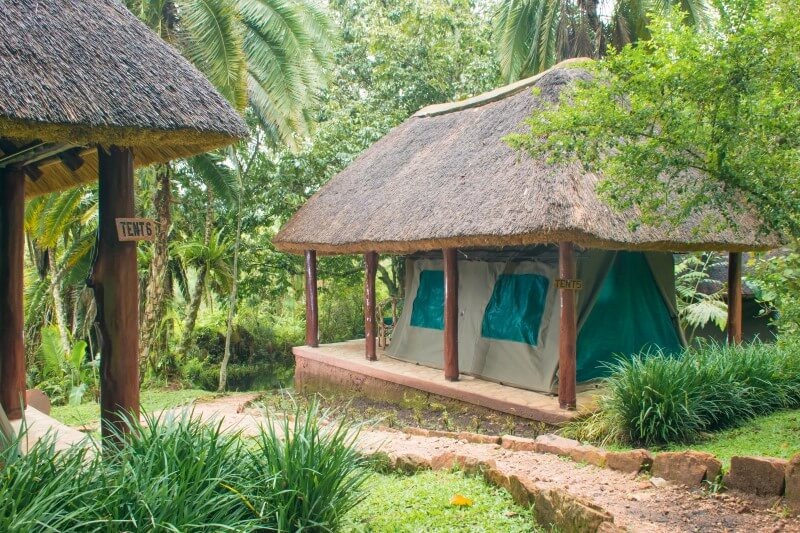
Accommodation in Kibale Reserve
Want to discover this destination?
Our local advisors design your tailor-made trip.