Mbale
Mbale
At the foot of Mount Elgon, Mbale is the gateway to Sipi Falls, Bugisu coffee and Bagisu traditions. Our complete guide to prepare your trip.
Mbale sits on the route to the Mount Elgon National Park and the famous Sipi Falls. While there isn't much to do within the city itself beyond strolling the streets and meeting locals, the immediate surroundings overflow with attractions.
History
The lands of Mbale remained uninhabited until the late 19th century. Forests, grasslands and marshes dominated the region. The locality began to develop in 1903, when the warrior Semei Kakungulu, acting under British orders, transferred administrative offices previously based in Budaka to this location.
The name Mbale, given by Kakungulu after a small village in the Buganda kingdom, means "rock" in the local dialect. This naming is believed to be linked to the large quantity of stones found in the surrounding areas, as Mbale sits at the foot of Mount Elgon. Local quarries supplied important construction projects for buildings and roads across the Eastern region. Certain types of stone served as raw materials for cement production at the Tororo factory. By 1906, Mbale had become a regional center.
The city's urbanization began in 1951 with the construction of modern offices on the site of the present Republic Street. Following Uganda's declaration of independence in 1962, the Mbale municipal council officially obtained the status of urban authority among the country's first.
Discovering Mbale
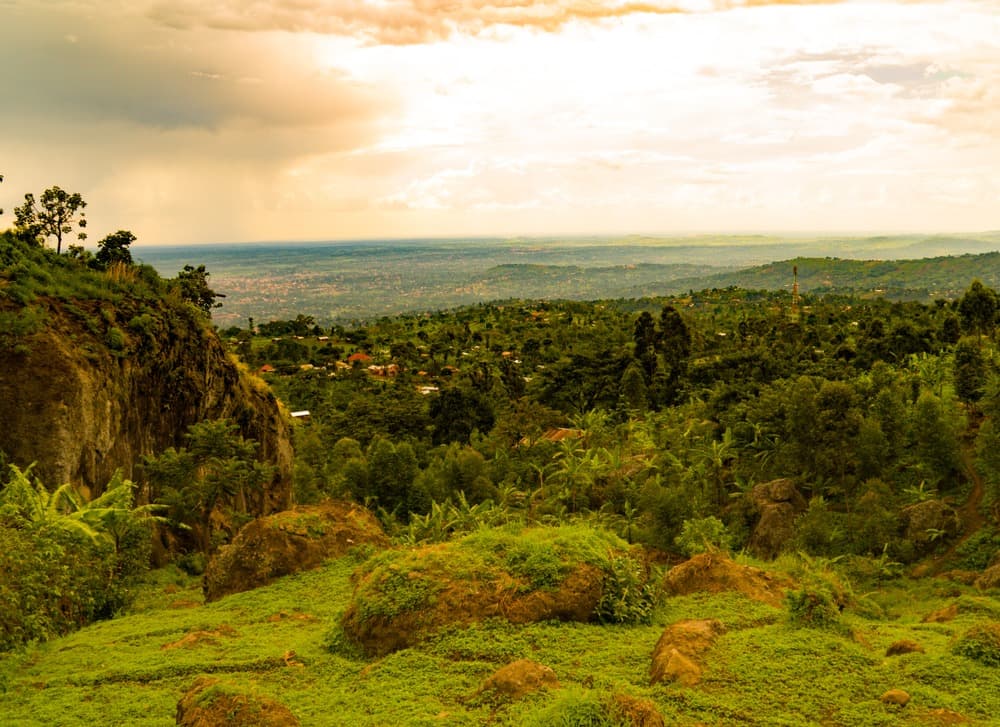
During your journey through Eastern Uganda, make a stop in Mbale, the country's third-largest city. The city nestles between verdant hills and valleys, 253 km from the capital Kampala, in a region renowned for coffee production. Mbale stands out as an agricultural trading hub, yet also hosts one of Uganda's major dairy facilities.
Colonial imprints remain visible in the city center, evident in the old houses and, particularly, the Clock Tower. As a regional crossroads, Mbale offers numerous services. You'll find banks along Republic Street and restaurants on Naboa Street. In the evening, visit the small alley between these two thoroughfares to sample local street food. Expect barbecues, chips and chapattis on the menu!
A land of traditions
Just 3 km from the city, hike Wanale Mountain to discover the legendary Kawuka caves. According to the Bagisu people, these caverns are said to shelter spirits capable of healing infertility in women. Another site sacred to local tradition, Bumutoto is the principal place where the Bagisu perform male circumcision. Every even-numbered year, circumcision season begins at Bumutoto before spreading throughout the rest of Bagisu territory. The ceremonies are enhanced by performances of Kadodi or Imbalu (circumcision dance).
A stunning collection of waterfalls
Along the Sipi River, you can engage in a full range of activities from fishing to paragliding, passing through hiking, rock climbing and rappelling. Continue your escape to the splendid Sipi Falls, located less than an hour from Mbale along a paved road, which are the pride of the locality. From the site, you'll enjoy a panoramic view of the rolling Kapchorwa region, in addition to the cascades. Less well-known, Sisiyi Falls thoroughly deserves a detour. Tucked away in a valley, they form a rainbow-hued zigzag pattern on clear days.
Venturing deeper into Mount Elgon National Park
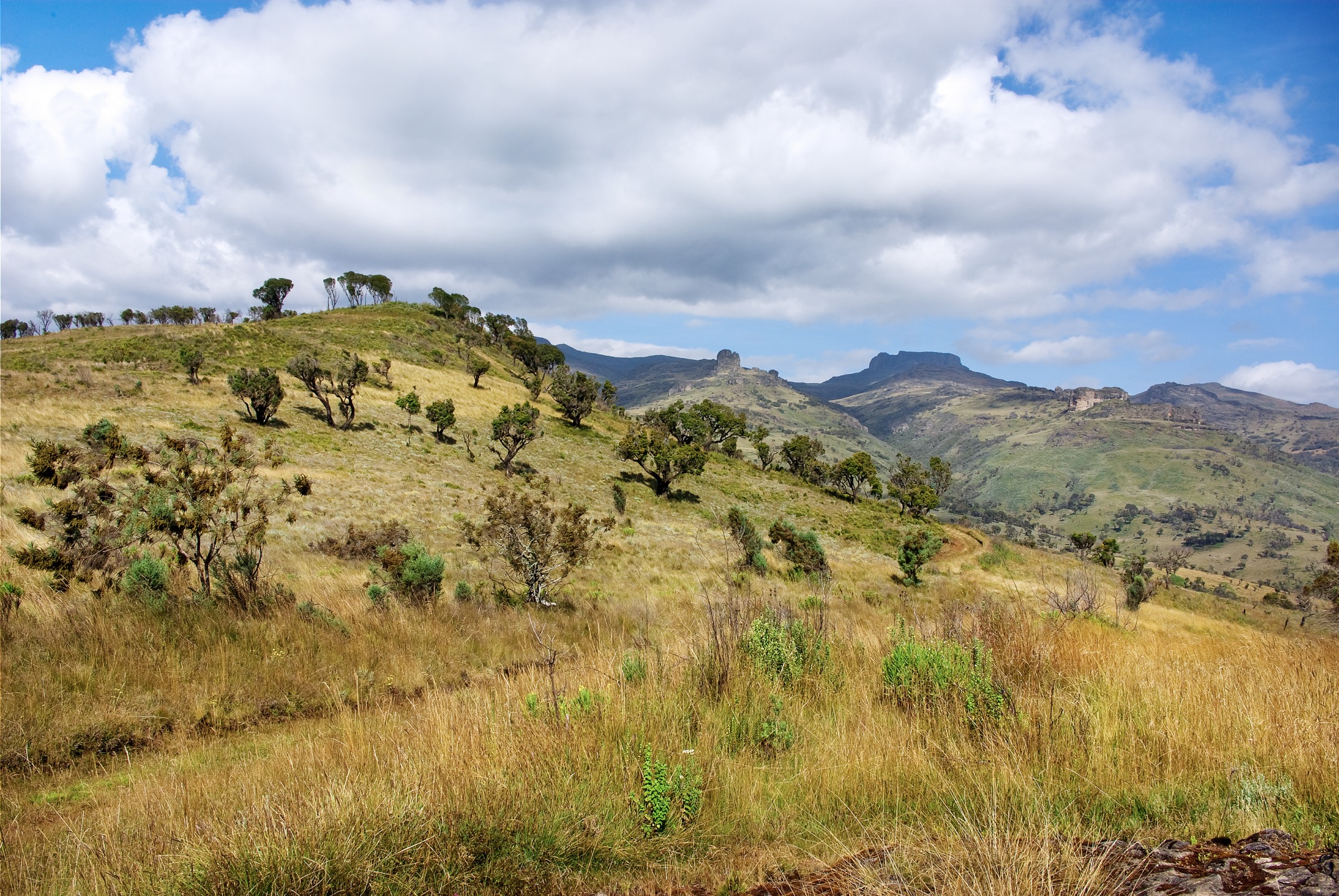
From Mbale, you're at the gates of Mount Elgon National Park! Whether you're seeking sporting activities or simply wish to experience something different, the reserve promises enriching experiences that will mark your journey through Uganda. Take time to visit the small isolated agricultural villages before beginning your expedition into the mountains. The Mount Elgon trails lead you through wild jungle-covered lands. Numerous treasures await around each bend, such as Chebonet Falls, the Jackson Peak and basin, bamboo forest, the Nkokonjeru arm, the death wall and a variety of hot springs.
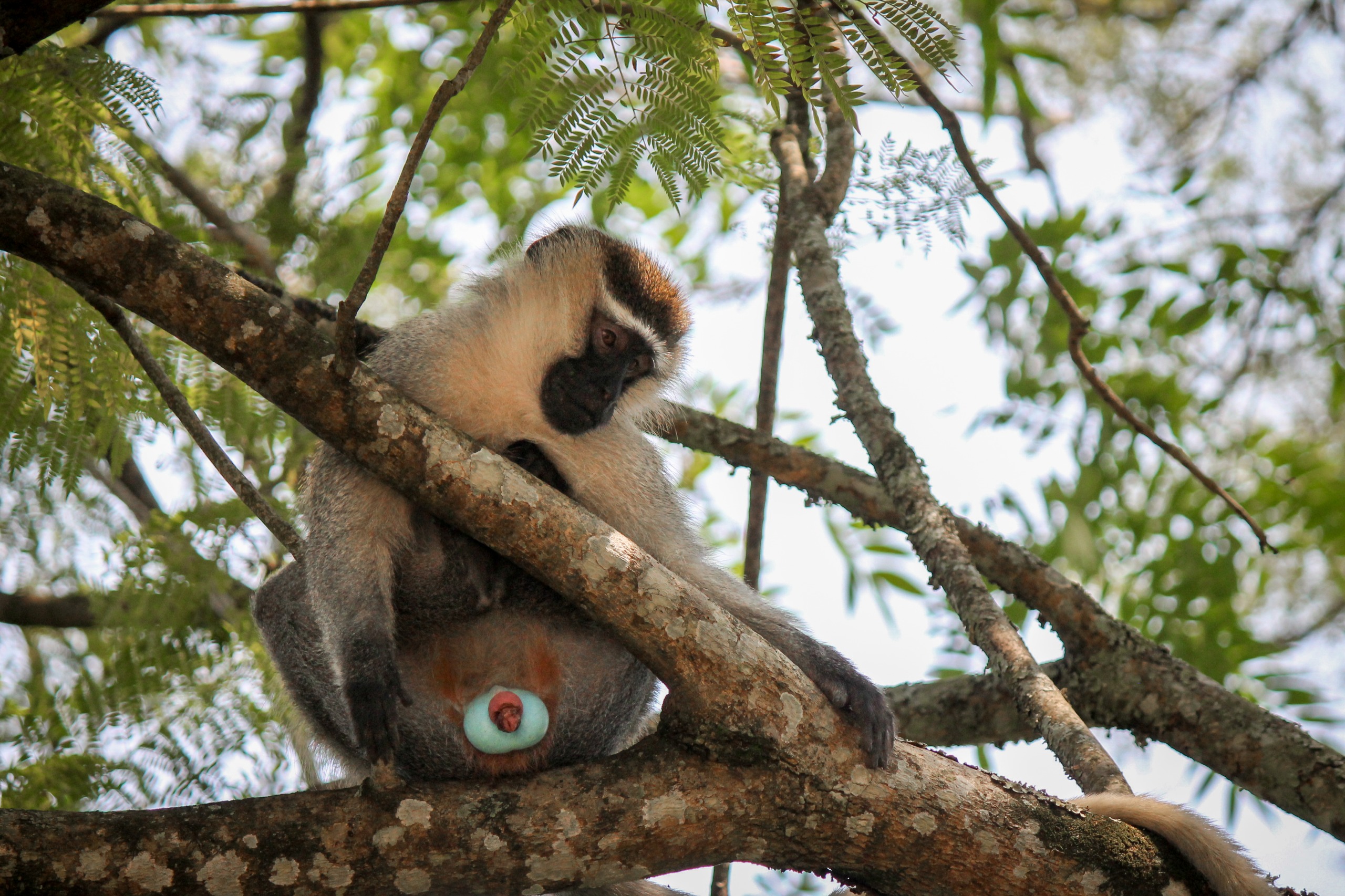
Wildlife encounters will punctuate your escape. Buffalo and elephants populate the lower reaches of the reserve, while primates such as the blue monkey and black-and-white colobus inhabit the forests. 144 bird species frequent the region, among which are the tacazze sunbird, Hartlaub's turaco, Jackson's francolin, the lammergeier and the Delegorgue's pigeon.
Practical Information
Climate
Mbale lies at the foot of the Wanale ridge, near the equatorial line. This location gives it a warm and humid climate without extremes. Temperature variations are minimal throughout the seasons. Rainfall is moderate, with an average rate of 1,250 mm to 1,750 mm annually. The region experiences two rainy periods: the first from March to May and the second between October and November.
Mbale is an accessible city, well-served in terms of transport. It's a trading hub for the region and with neighboring countries such as Sudan, Kenya and Tanzania. If you depart from Uganda's capital Kampala, the bus journey takes approximately 5 hours. From Jinja, the trip takes 3 hours. Soroti is 2 hours' drive away. There are also direct buses between Mbale and Nairobi in Kenya.
To get around Mbale and its surroundings, you can choose between minibuses, taxis and boda bodas (motorcycle taxis).
What to do in Mbale?
- Taste Mbale's street food in the evening on Naboa Street
- Visit the sacred sites of Wanale Mountain
- Discover the magnificent Sipi and Sisiyi waterfalls
- Begin a trek in Mount Elgon National Park
- Engage in birdwatching, etc.
Want to discover this destination?
Our local advisors design your tailor-made trip.