Bokora Wildlife Reserve
Bokora Wildlife Reserve
Uganda's second-largest wildlife reserve, Bokora unveils wild savanna, rare birdlife, and the vibrant culture of the Karamojong, far from the beaten path.
Keep your camera within arm's reach when you visit Bokora Wildlife Reserve! The site is home to remarkable creatures, both on land and in the sky. Open grasslands offer unobstructed views across the horizon for lovers of sweeping vistas. During your journey, take time to connect with the Karamojong, an ethnic group that has preserved their African indigenous identity, far removed from modernity.
History
Bokora Wildlife Reserve, Uganda's second-largest wildlife sanctuary, was established in 1964 in the country's northeast. Its territory spans 2,056 km² within the Karamoja Wildlife Conservation Area, which also encompasses the Pian Upe and Matheniko reserves. The site takes its name from the Bokora ethnic group living in the vicinity.
Exploring Bokora Wildlife Reserve
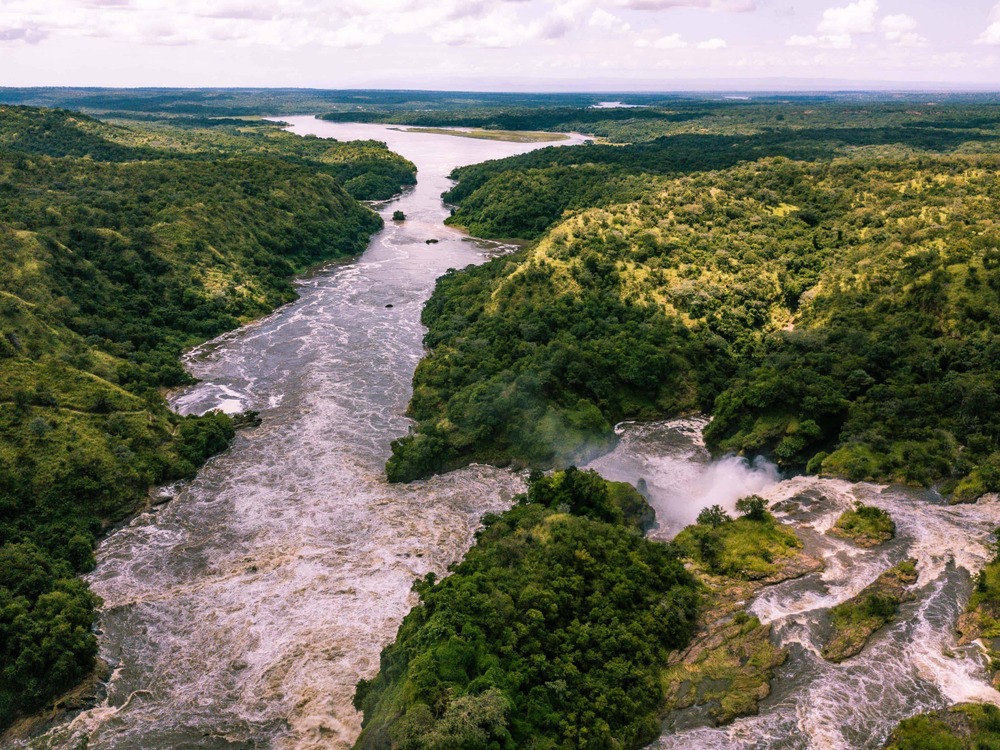
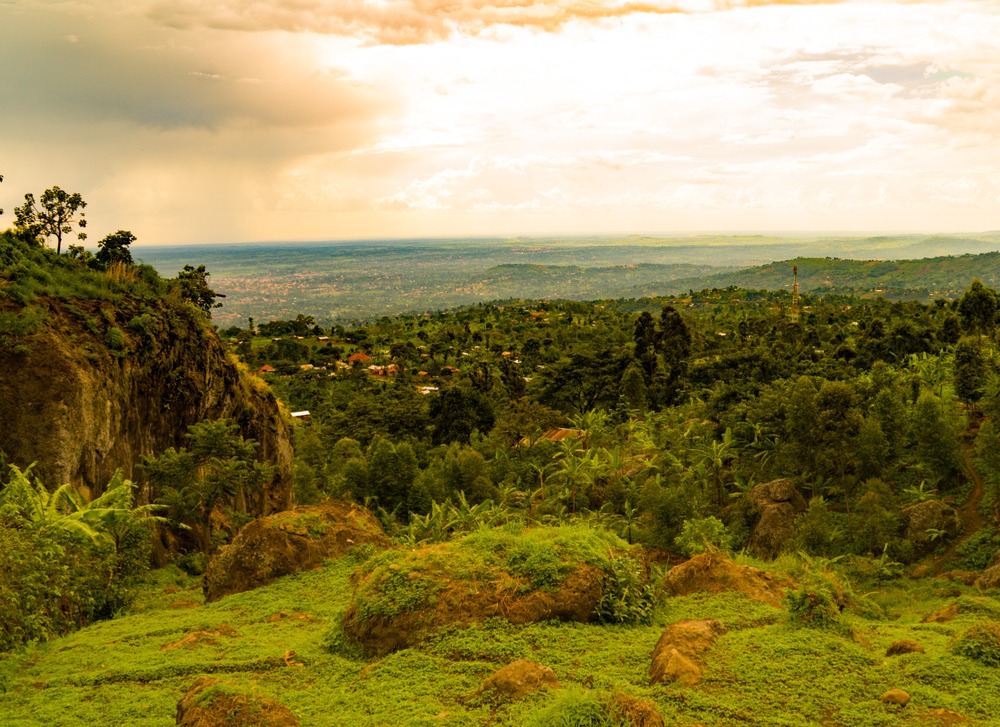
Whether you wish to observe wildlife in its natural state or simply escape Uganda's bustling cities, Bokora Wildlife Reserve welcomes you with open arms. Explore this protected area with its distinctive character. Heading northward, you'll draw closer to Mount Napak and Mount Kadam. Seasoned hikers will certainly feel the pull to summit these peaks, while casual visitors will delight in devouring the views with their eyes and capturing them in photographs. Other landscapes are within everyone's reach—vast grasslands where savanna, bush, shrubland, and stunted trees blend together. Wetlands round out the scenery. Set forth on your adventure!
A Playground for Wildlife Photography
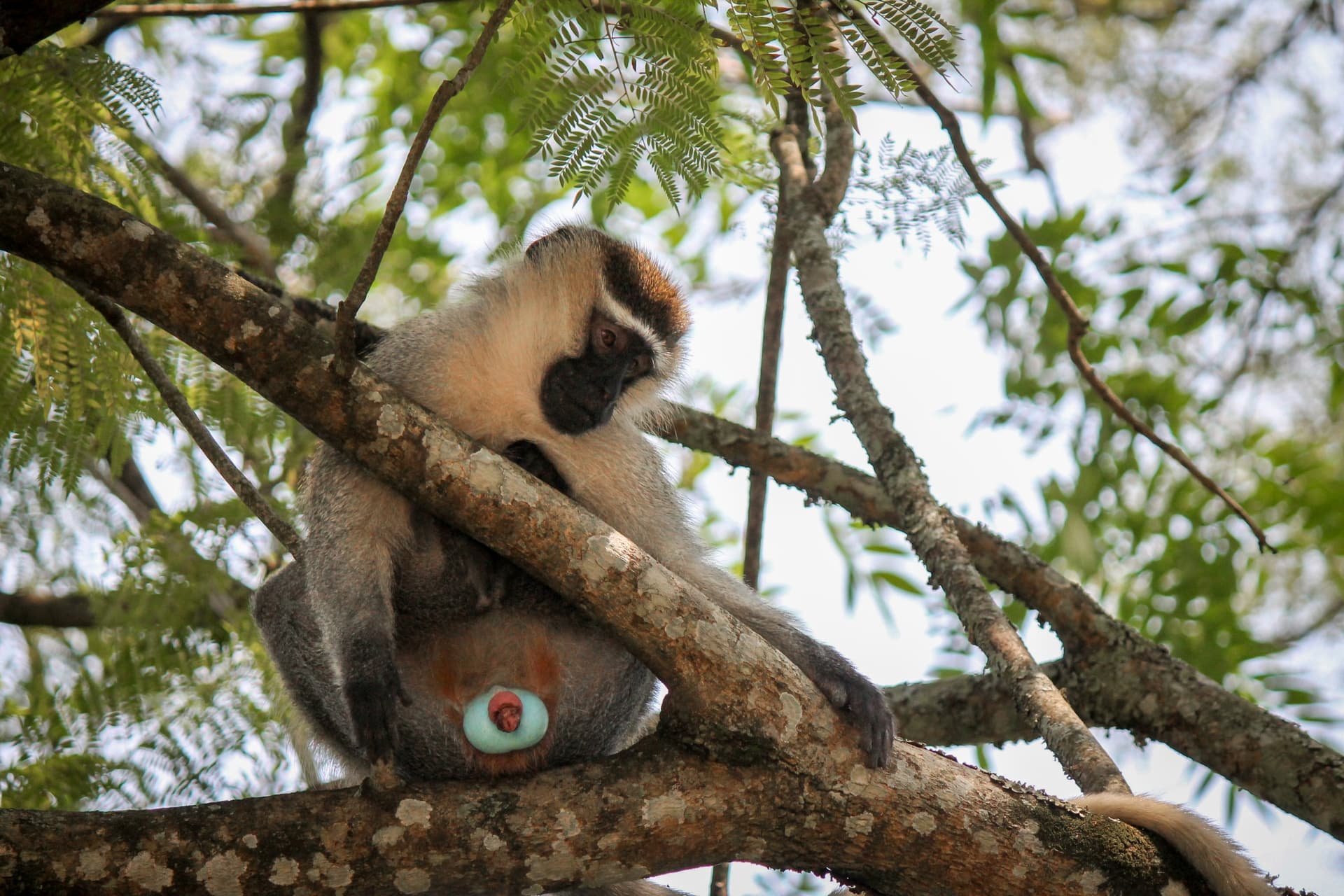
Stay alert; animals roam throughout the park. Bokora Reserve is home to abundant wildlife that has adapted over centuries to the harsh conditions and prolonged droughts characteristic of this region of Uganda. For millennia, elephants and buffalo from Sudan have traversed the area to drink from the seasonal Kidepo River and graze in neighboring reserves.
Several bovine species inhabit the reserve: Grant's gazelle (recognizable by its tawny coat and lyre-shaped horns), hartebeest (a robust, muscular antelope with a small hump at the shoulders), bush duiker, oribi (a dwarf antelope), oryx, topi, Uganda kob, eland, and roan antelope. Among the felines, you'll find cheetahs, leopards, and lions. The region is also home to Rothschild giraffes, zebras, and hyenas.
Spend Time with the Birds
In the dry plains of Bokora Wildlife Reserve, you'll have the chance to observe the planet's tallest bird. The arid environment and grasslands are perfectly suited to the wild ostrich, which can easily spot predators and flee, or watch for small animals that might threaten their eggs.
To discover other avian species, venture into the wetlands. The Loporokocho Marsh in particular is an excellent spot for birdwatching. Here, learn to distinguish fascinating creatures such as the Great Hornbill with its thick beak (an extraordinary guide for finding honey), Jackson's Hornbill (from the same family as Zazu, loyal advisor to Simba in "The Lion King"), Hartlaub's Turaco (an endemic species in East Africa), dark dove, cinnamon dove, bronze-naped pigeon, grey shrike, yellow mountain warbler, white-headed buffalo weaver, and many more.
Meet the Karamojong People
The Karamoja region is the territory of the Karamojong people, of whom the Bokora represent the dominant subgroup. Make the most of your safari in Bokora Wildlife Reserve to visit this tribe and experience their preserved culture. The Karamojong are pastoralists whose lives depend heavily on their livestock. Animals provide them with meat, milk, hides, and dung. During severe droughts, community members even drink cattle blood. Far removed from modern life, they exemplify the ways of ancient African indigenous tribes. Don't hesitate to befriend them, accompany them to the pastures, learn to milk cows, and above all, don't miss the traditional dance performances at dusk.
Practical Information
Bokora Wildlife Reserve is located 7 hours' drive via the Mbale–Soroti Road. Budget 8 hours of driving via the Kampala–Gulu Highway.
When to Visit?
Bokora Reserve is accessible year-round. However, the dry season represents the most favorable period to visit. Plan your trip between June and September or between December and February. During the rainy months (November, April, and May), roads are difficult to navigate, even for jeeps. The only advantage of visiting the park during the wet season is that there are very few tourists. After the rains, life awakens in the reserve, and lush vegetation covers the landscape. Temperatures are moderate—not oppressively hot—and dust is minimal. Be aware that heat can be overwhelming during the driest months.
The area does not yet have accommodation infrastructure for visitors. However, you can bring a tent and camp in designated areas. The nearest hotels are located in the towns of Moroto and Kotido.
Want to discover this destination?
Our local advisors design your tailor-made trip.