Mount Elgon National Park
Mount Elgon National Park
An extinct volcano on the Uganda-Kenya border, Mount Elgon rises to 4,321 m and offers high-altitude trekking, abundant birdlife and arabica coffee.
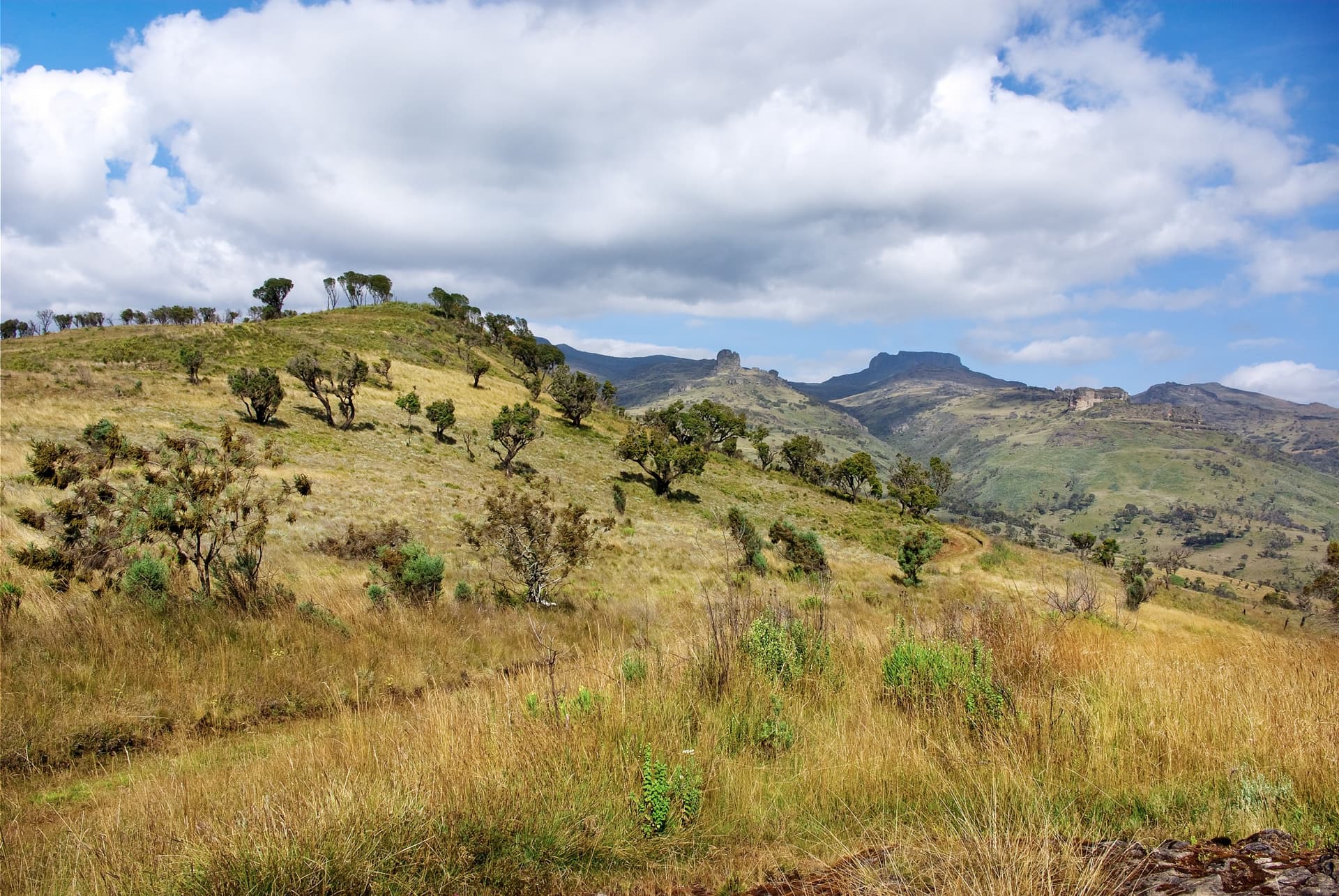
The Mount Elgon National Park protects an ancient, isolated volcano in eastern Uganda, straddling the Kenyan border. Its highest peak, Wagagai, reaches 4,321 m, making this massif Africa's eighth tallest. Mountain tropical forest, afro-alpine moorland, waterfalls and arabica coffee plantations create a still-remote trekking terrain, accessible from the town of Mbale.
Why visit Mount Elgon
Three main reasons make a detour to this park, located 235 km east of Kampala, worthwhile. First, the massif offers varied trekking routes, from day hikes in the foothills to a full four-day circuit to the summit crater. Second, the birdlife is remarkable: Hartlaub's turaco, lammergeier, Jackson's francolin and white-starred robin are among the emblematic species. Finally, the Bagisu communities settled on the foothills cultivate renowned arabica coffee, and plantations can be visited alongside the trails.
History and geology
Mount Elgon is an extinct volcano whose formation dates back approximately 24 million years. The mountain once towered higher than Kilimanjaro (5,895 m) before millennia of erosion reduced it to 4,321 m. The Bagisu people, settled on its Ugandan slopes, know the volcano as Masaba, named after their founding ancestors who are said to have emerged from a cave on its flanks.
The park is shared between two countries. The Kenyan section (169 km²) was formally protected in 1968, while the Ugandan portion (1,110 km²), far larger, was gazetted only in 1992. The massif lies 140 km northeast of the great lake system and roughly 140 km from Lake Victoria.
What to see and do
Landscapes and tiered vegetation
The lower section of the park is dominated by mountain tropical forest and extensive bamboo stands. Above 3,000 m, afro-alpine moorland takes over, populated by high-altitude plant species including giant lobelia, endemic to East Africa's highlands. Rivers and cascades descending from the massif supply the foothill communities.
Wildlife and birdwatching
The park is home to duikers, hyenas, elephants, buffalo and leopards, more elusive than in Uganda's savannas but well present. It is primarily the birdlife that captures naturalists' attention: observation towers and foothill trails allow sightings of Hartlaub's turaco, lammergeier, Jackson's francolin, white-starred robin and numerous forest species. The vicinity of Sipi Falls is equally rewarding for birdwatching.
Trekking and summits
Several routes cross the massif to its principal peaks: Wagagai (4,321 m, southwest), Jackson (east), Kiongo (south) and Mubiyi (north). A complete Mount Elgon circuit requires a minimum of four days' hiking, either self-sufficient or with porters and a guide. For travellers with less time, lower-altitude trails allow day excursions, for instance around Dirigsana Falls, Gabushana Cave or Sipi Falls.
Coffee, waterfalls and villages
The foothills are covered with arabica coffee and banana plantations. Visiting a coffee-processing cooperative, exploring local markets and following the Sipi River complement the trekking portion of your stay.
When to visit
The park can be visited year-round, but trekking conditions are best during the driest seasons: June to August and December to March. Even during these periods, showers are possible at altitude and you should prepare for cold above 3,000 m. The rainy seasons make trails very slippery and complicate an ascent of Wagagai.
Practical information
Park access and trekking permits are managed by the Uganda Wildlife Authority (UWA). Fees vary according to nationality (resident, non-resident, East African citizen) and whether you wish a simple day-pass or a permit for the full high-altitude circuit. It is advisable to check current UWA rates before departure and to book in advance, especially during peak season. The information office is located in Mbale and issues tickets on site; reservations can also be made from Kampala.
For the complete circuit, bring a tent, warm and waterproof clothing, and an approved guide. Porters can be hired for heavy baggage.
Getting there
From Kampala, the park lies 235 km east via a paved road that passes through Jinja and reaches Mbale, at the foot of the massif's western flank. Continuing uphill, you arrive at Kapchorwa, the classic starting point for treks on the northwestern flank and for Sipi Falls. Allow approximately 5 to 6 hours drive from Kampala.
Nearby attractions
- Ziwa Rhino Sanctuary: Uganda's only site for observing white rhinos in semi-wild conditions, on the road between Kampala and the north.
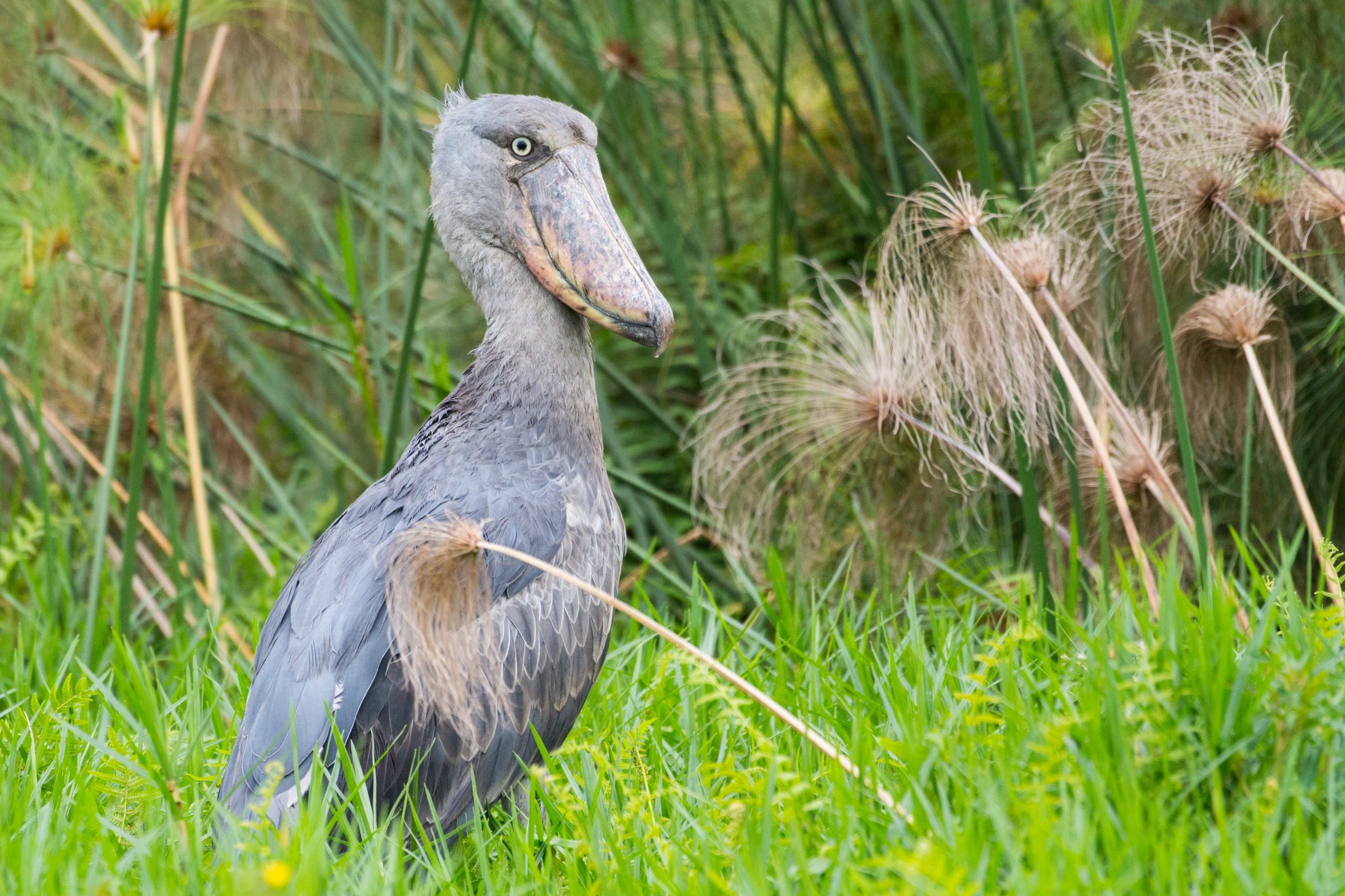
- Mabamba Swamp: wetland renowned for shoebill sightings, on Lake Victoria's shore.
- Entebbe Botanic Garden: convenient stop near the airport for a first immersion in Ugandan flora.
- Bigodi Swamp: popular walking trail renowned for its primates and forest birds, in the country's west.
Frequently asked questions
Frequently asked questions
A day excursion in the foothills or around Sipi Falls is possible. The full circuit to Wagagai summit (4,321 m) requires a minimum of four days' trekking, either completely self-sufficient with tent and guide or with support.
Wagagai (4,321 m) in the southwest is the highest point. Other notable peaks are Jackson to the east, Kiongo to the south and Mubiyi to the north.
The driest seasons run from June to August and December to March. Showers are possible year-round and temperatures drop sharply above 3,000 m.
Allow 235 km of paved road via Jinja and Mbale, roughly 5 to 6 hours' drive. From Mbale, you must then reach Kapchorwa or the park gates depending on your chosen trek departure point.
Yes. The Uganda Wildlife Authority issues a trekking permit separate from the day-entry fee for high-altitude routes. Fees vary by nationality; it is best to verify current rates before departure.
Preparing your Uganda trip
Mount Elgon fits well into an itinerary combining high-altitude trekking, birdwatching and encounters with Bagisu communities. To design a custom journey incorporating this massif and other Ugandan parks, consult our Uganda trips.
Interested in this visit?
We can include it in your personalised itinerary.