Meeting the Karamojong
Meeting the Karamojong
Discover a proud people fiercely defending their traditional way of life as semi-nomadic pastoralists: the Karamojong in Ouganda. Visiting a "Manyatta," the name given to Karamojong villages, guarantees an immersive encounter with African roots, from welcome to homestay experiences, through language, dwellings, people and community organization.
Discover a proud people fiercely defending their traditional way of life as semi-nomadic pastoralists: the Karamojong in Ouganda. Visiting a "Manyatta," the name given to Karamojong villages, guarantees an immersive encounter with African roots, from welcome to homestay experiences, through language, dwellings, people and community organization.
History
The Karamojong once inhabited Ethiopia. Around 1600 A.D., they migrated and split into different groups. Some joined Kenya where they developed their own cultures. These include the Masai and the Kalenjiin. Those exhausted by the journey remained in the Moroto mountains, in the Karamoja region in northeast Ouganda.
A people with a turbulent past
Karamoja remained isolated under colonial rule. Only a special permit granted access to the region. When dictator Idi Amin came to power from 1971 to 1979, he repressed and humiliated the Karamojong, even condemning to death those caught unclothed.
In the 1980s, the Karamojong seized weapons left in abandoned barracks and engaged in tribal warfare that lasted nearly thirty years. The Uganda People's Defence Force launched a ten-year disarmament program ending in 2001. Peace finally returned in 2011, though the conflicts left significant damage.
Discovering the Karamojong People
Approximately 370,000 individuals now live throughout the country, with the majority still inhabiting the Karamoja region. Few visitors venture to this remote part of Ouganda. However, the proximity of the Kidepo Valley National Park makes it possible to arrange a detour to the Karamojong during a circuit. And believe me, the experience is truly worthwhile.
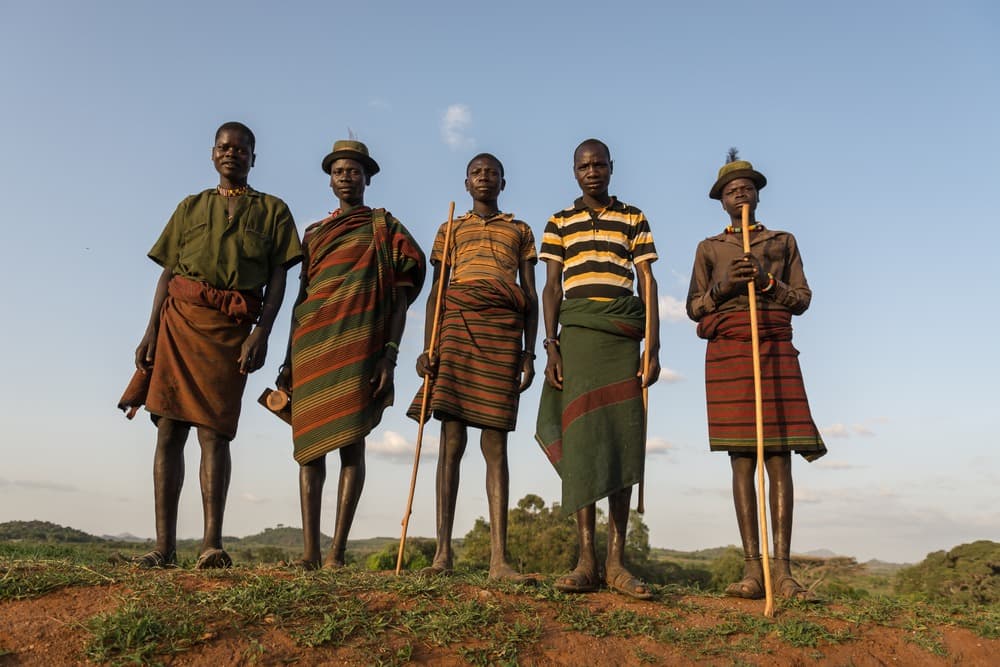
Upon your arrival, you will see barely clothed children running toward you with smiles on their faces, while elders rest on stools in the shade of trees and their huts. Contrary to the negative image left by past conflicts, the Karamojong are a friendly and welcoming people, yet they fiercely preserve their traditions, deliberately distancing themselves from modern life.
The Karamojong: A people of warrior pastoralists
The Karamojong subdivide into different clans and territorial subgroups: the Bokora, the Matheniko and the Pian. They regard cattle as a symbol of royalty and judge a man's worth by the number of animals he possesses. They believe their God Akuj gave them cattle, leading them to believe that neighboring tribes' herds also belonged to them. However, other communities held the same beliefs, hence the cattle raids. Until the government confiscated their weapons, these tribes waged war against one another.
The Karamojong possess a communal spirit—everything is done together and in everyone's interest. Elders lead communities and most decisions are made according to democratic principles. In daily life, tasks are distributed as they were in ancestral times. Men are responsible for finding pasture and water for cattle, while women and children remain in the village tending farms and small plantations. Men are free to marry as many women as they wish, provided they can furnish the bride price.
A preserved culture
First, know that the Karamojong have their own Nilo-Saharan language of origin. Furthermore, they possess distinct beauty ideals, including facial and body scarification, as well as the wearing of multicolored beads and distinctive coverings. They share several similarities with the Masai of Kenya. Also noteworthy are traditional dance performances and songs—absolutely not to be missed when you visit a Manyatta.
As for food, sorghum is the staple diet of the Karamojong, though they also cultivate maize, beans and millet. Cattle provide them with milk, meat and blood which they drink during periods of drought.
The Karamojong hut
The Karamojong sometimes accept visitors into their homes. If you are invited, which is a true privilege, you will need to get on all fours to enter the dwellings. Families live in round huts with interior walls plastered with mud and dung, and thatched roofs. You will find little furniture inside. Here, people sleep on the floor. At the center of the hut, there is often a hearth where a fire burns continuously. Outside, poles encircle the dwelling and protect it from the wind.
Practical Information
Travel Tips
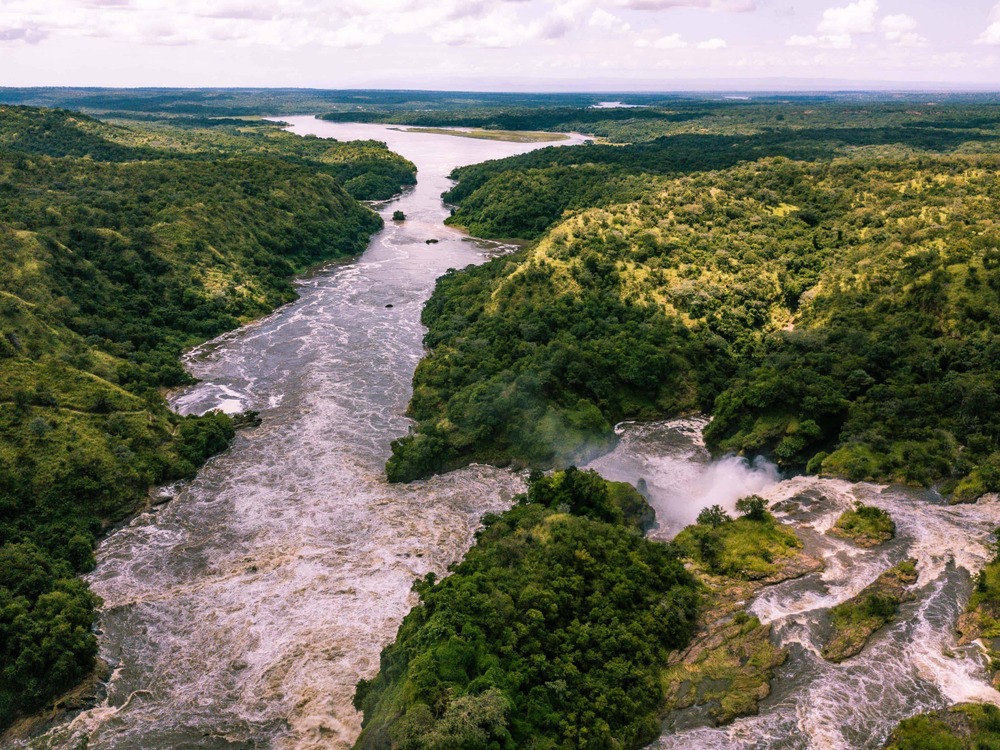
The Karamoja region consists of vast stretches of arid plains through which seasonal rivers wind. Due to climate change, rainfall patterns have become unpredictable and drought periods increasingly long. It is very hot. For this reason, equip yourself with a wide-brimmed hat, sunglasses and moisturizer. Wear jeans, which are not only more culturally acceptable compared to shorts but also practical for protecting your legs from thorny bushes. Above all, don't forget your water bottles.
The Karamoja region is served by public transport from Kampala via Jinja, Soroti, Mbale, Iriri, Kotido and Moroto.
Give it a go!
Our local experts arrange this activity for you.