Kotido
Kotido is the main town of Kotido district in Uganda's northeastern Karamoja region. The ideal departure point for discovering Karamojong pastoral culture and Kidepo Valley National Park.
Kotido is the principal town of Kotido district, in the Karamoja region of northeastern Uganda. Perched on a semi-arid plateau, it serves as the gateway to the territory of the Karamojong, a pastoral people whose warrior traditions and cattle herding still structure daily life. Rarely visited by mass tourism, the town attracts travellers curious about rural and authentic East Africa, away from the well-trodden trails.
What to see
Kotido offers a direct glimpse into Karamojong culture: bustling markets where herders exchange livestock and handicrafts, women wearing characteristic colorful beaded necklaces, and manyattas (traditional family compounds) visible on the outskirts. The surrounding landscape, dotted with acacias and rocky hills, is typical of Karamoja's semi-arid savanna.
History and context
The Karamoja region was long marked by conflicts linked to cattle raiding between pastoral communities. Disarmament programmes carried out since the 2000s have progressively stabilized the area. Kotido, as the administrative centre, played a central role in these peacebuilding processes. Karamojong culture, related to the Maasai and Turkana, maintains vibrant initiation practices and community governance traditions.
Highlights of your visit
Kotido Market
The weekly market brings together herders, traders and craftspeople from across the region. It's the most vibrant place to observe local economic exchanges and traditional Karamojong dress.
Periurban manyattas
The family compounds on the town's outskirts allow visitors, with residents' permission, to observe Karamojong social organization: mud-brick dwellings, cattle enclosures, and community life around the fire.
Karamoja landscape
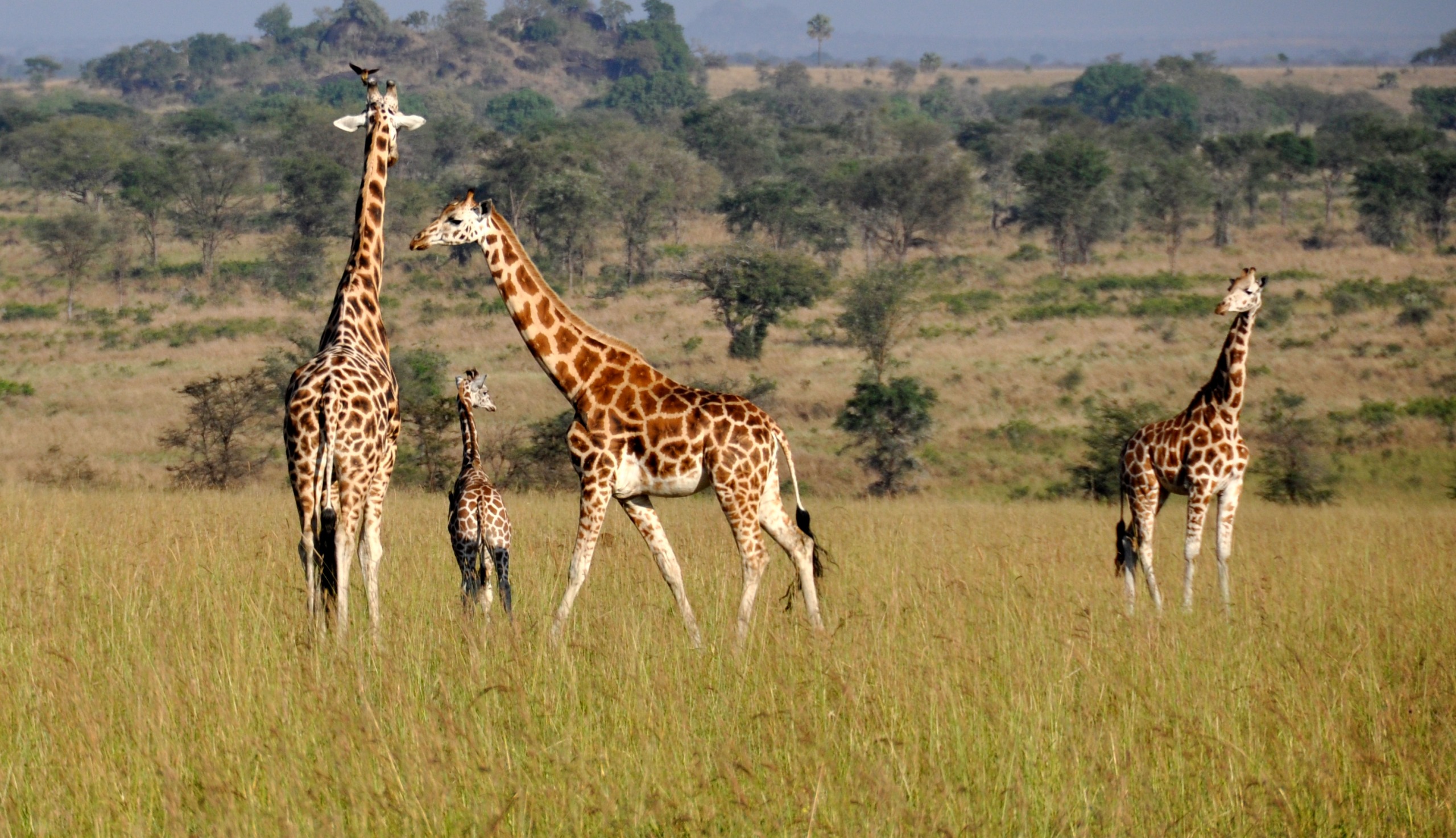
Rocky hills and dry savanna surrounding Kotido offer sweeping vistas, particularly striking in late afternoon. Wild fauna remains present in less populated areas.
Photography tips
Golden light in early morning and late afternoon works well for portraits and savanna landscapes. Always ask permission before photographing people: the Karamojong are sensitive to respect for their image. Avoid photographing military or police installations.
Location and access
Kotido is located in Kotido district, Karamoja region, approximately 450 km northeast of Kampala. The main road passes through Mbale and Moroto. Road conditions vary depending on the rainy season; a 4x4 vehicle is recommended. Minibuses (matatus) connect Kotido to Moroto and other Karamoja towns, but frequencies are irregular. There is no commercial airport in Kotido.
Nearby attractions
- Moroto — Karamoja's main town, the departure point for Mount Moroto and Karamojong communities.
- Mount Moroto — the region's iconic peak, accessible from Moroto, with hiking and views over the plains.
- Kidepo Valley National Park — one of Uganda's most pristine parks, renowned for its wildlife and landscapes, accessible from Kotido.
Frequently asked questions
The dry season (June to August and December to February) makes travel on Karamoja's tracks easier. During the rainy season, some roads become difficult to access even in a 4x4.
The security situation has improved significantly since disarmament programmes. It is nonetheless advisable to consult your embassy's travel advisories before departure and to travel with a local guide familiar with the region.
Yes. Kotido is a logical stop on the route to Kidepo Valley National Park, one of Uganda's most remote and pristine parks.
A local guide is highly recommended. They facilitate interaction with Karamojong communities, provide cultural mediation, and know which areas are accessible to visitors.
Light but covering clothing is appropriate for the hot climate and local cultural sensitivity. Bring closed-toe shoes for bush visits.
Want to discover this destination?
Our local advisors design your tailor-made trip.