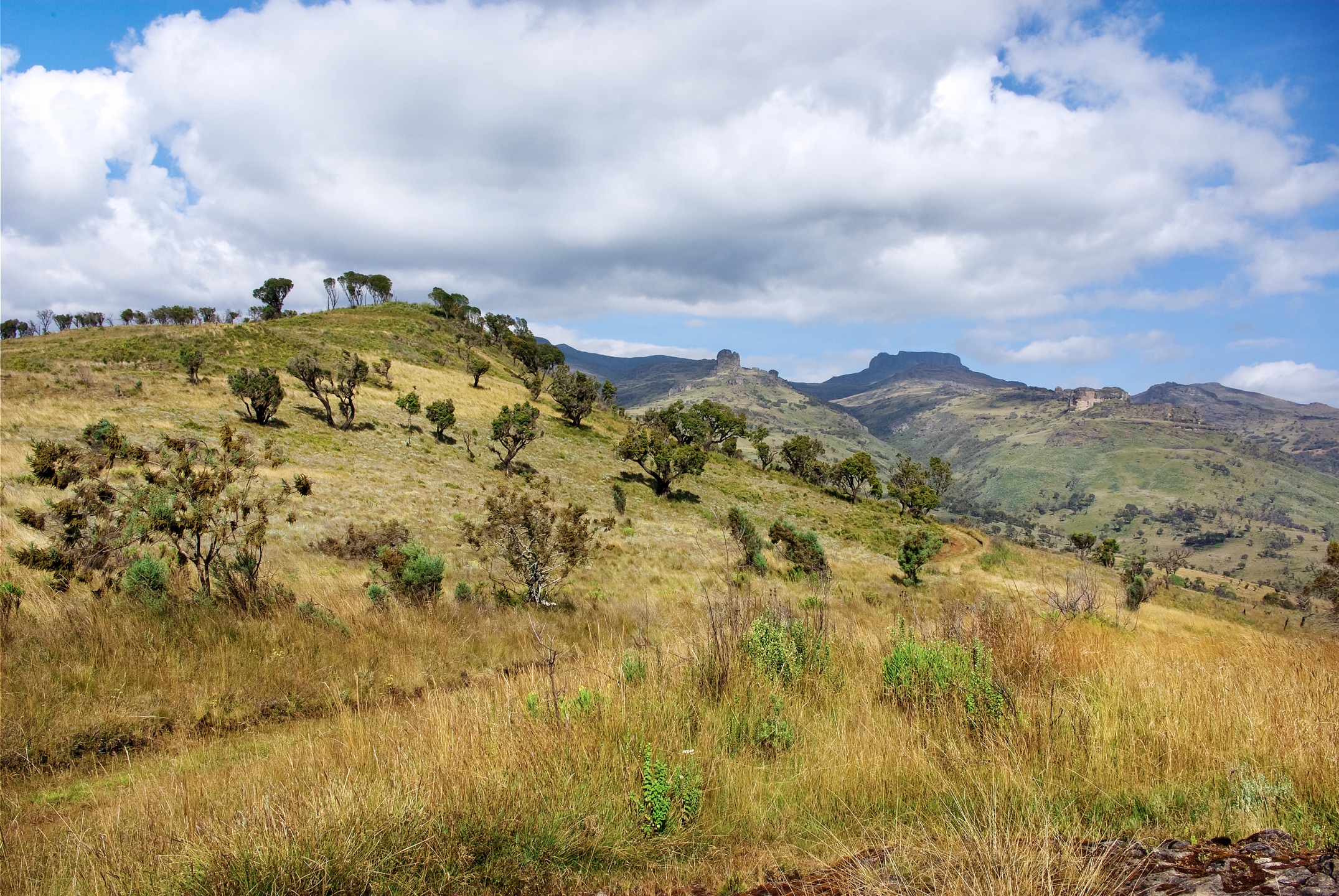
Semuliki National Park
On the Congolese border, Semuliki National Park protects a lowland tropical forest inhabited by rare species and is home to the spectacular Sempaya hot springs.
Semuliki National Park occupies the Ugandan portion of the Congo Basin forest, at the far western edge of the country in Bundibugyo District. Nestled between the Albertine Rift and the Congolese border, it hosts fauna and flora typical of Central Africa, rarely found elsewhere in Uganda. It is one of the few places in the country where you can observe Central African forest species, notably birds absent from the rest of Uganda.
Essential Information at a Glance
- Entrance: paid permits issued by Uganda Wildlife Authority (UWA)
- Access: from Fort Portal, road toward Bundibugyo; the park is accessible by 4×4 vehicle
- Recommended duration: 1 to 2 days to combine hot springs and birdwatching hikes
- Dress code: long clothing, insect repellent essential (yellow fever zone)
- Vaccination: yellow fever vaccination is mandatory to enter the park
What You'll See
Semuliki Forest is a lowland tropical forest, the eastern extension of the Ituri Forest. It hosts over 400 bird species, around 60 of which are endemic to Central Africa. Mammals include chimpanzees, forest elephants, giant forest hogs, and several primate species. The Sempaya hot springs—boiling and sulfurous—constitute the park's most spectacular attraction.
History and Context
The park was established in 1993, though the forest was already protected under British colonial rule. The region is inhabited by the Batwa, a pygmy hunter-gatherer people whose presence in this forest spans millennia. The park is part of the Albertine Rift biodiversity hotspot, recognized as one of Africa's richest zones for endemic species.
Highlights of Your Visit
Sempaya Hot Springs
Two geothermal springs mark the heart of the park. The "female" spring projects boiling water several meters high. The "male" spring, more modest, emits permanent sulfurous vapor. A marked trail allows you to reach them on foot from the ranger station.
Birdwatching
Semuliki is considered one of Uganda's premier birdwatching sites. Species such as the Congo peafowl, forest rail, and several Congolese bulbul species are regularly observed here. Specialist UWA guides significantly increase your chances of identification.
Forest Hiking
Guided trails traverse the dense canopy. Mammal life is discrete but present: elephant tracks, groups of colobus monkeys, and with luck, chimpanzees at forest edges.
Photography Tips
Light in dense forest is dim: a fast lens (f/2.8 or wider) is recommended. The hot springs offer striking images early morning, when vapor contrasts with cool air. For birds, a telephoto lens of at least 400 mm is useful. Avoid flash near wildlife.
Location and Access
The park lies approximately 50 km southwest of Fort Portal, accessible via the Bundibugyo road. The track can be difficult in rainy season: a 4×4 is essential. Fort Portal is the natural logistical base, with lodging and services. No regular public transport serves the park; a rental car or organized tour is necessary.
Nearby Attractions
- Fort Portal — departure city for Semuliki, with bustling markets and access to the Rwenzori.
- Kasenda Crater Lakes — series of volcanic lakes with colored waters, between Fort Portal and Semuliki.
- Rwenzori National Park — UNESCO-listed glaciated mountain range, accessible from Fort Portal.
- Kibale National Park — forest renowned for chimpanzee trekking, east of Fort Portal.
Frequently asked questions
Dry seasons (December-February and June-August) facilitate track access and bird observation. During rainy season, the Bundibugyo track can become impassable without a robust 4×4.
Yellow fever vaccination is mandatory to enter the park. Malaria prophylaxis is strongly advised: Semuliki is a high-risk malaria zone.
Yes. Fort Portal serves as a hub: you can sequence Semuliki with Kibale National Park (chimpanzees) and the Rwenzori in a few days by organizing transfers from Fort Portal.
Yes, a marked trail departs from Sempaya ranger station. The walk is short and accessible to most visitors in reasonable fitness. A UWA guide mandatory accompanies all visitors.
Camping options exist within the park, managed by UWA. Most visitors lodge in Fort Portal and make the visit as a day excursion.
Interested in this visit?
We can include it in your personalised itinerary.