Batwa Cultural Trail, Mgahinga Gorilla National Park
In Mgahinga's forest, the Batwa Cultural Trail reveals the ancestral way of life of the Pygmy people: hunting techniques, medicinal plants, Garama cave, and polyphonic songs, guided by community members.
The Batwa Cultural Trail winds through Mgahinga's forest in southwestern Uganda, near the town of Kisoro. It offers access to the ancestral way of life of the Batwa, a Pygmy hunter-gatherer people who inhabited these mountain forests before the national park was established. The visit, guided by community members, blends hands-on demonstrations, oral storytelling, and immersion in an afroalpine forest ecosystem.
Quick Facts at a Glance
- Access: departure from Mgahinga park headquarters, approximately 15 km from Kisoro by dirt track.
- Suggested duration: half-day (3 to 4 hours of walking and demonstrations).
- Attire: closed hiking shoes, clothing covering the legs, lightweight waterproof jacket (humid forest).
- Permit: the activity is organized by the Uganda Wildlife Authority (UWA); advance booking is recommended.
- Accessibility: uneven forest terrain, not suitable for people with reduced mobility.
What You'll See
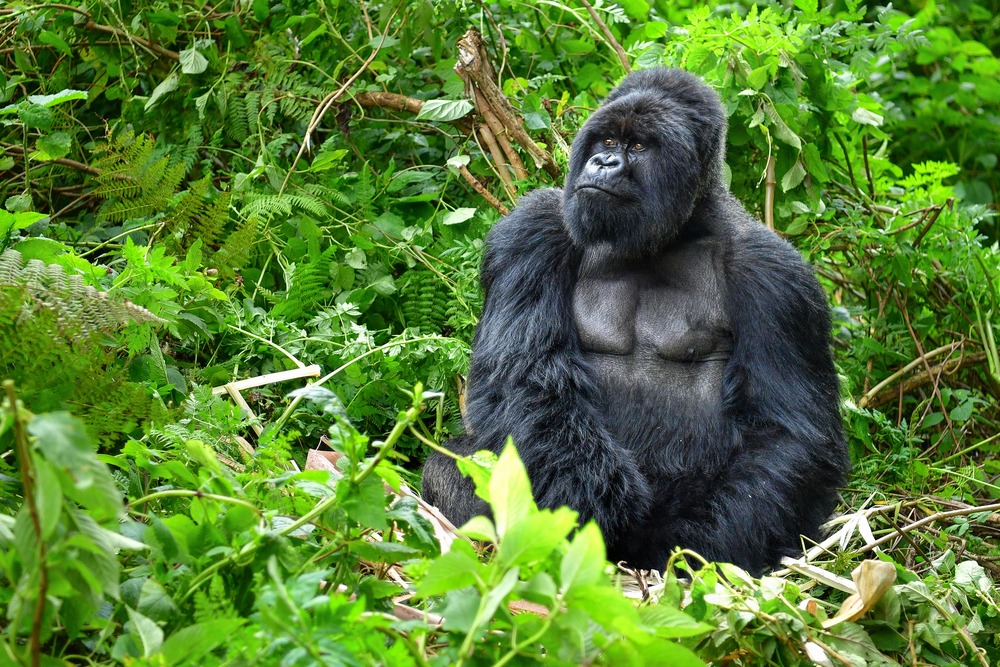
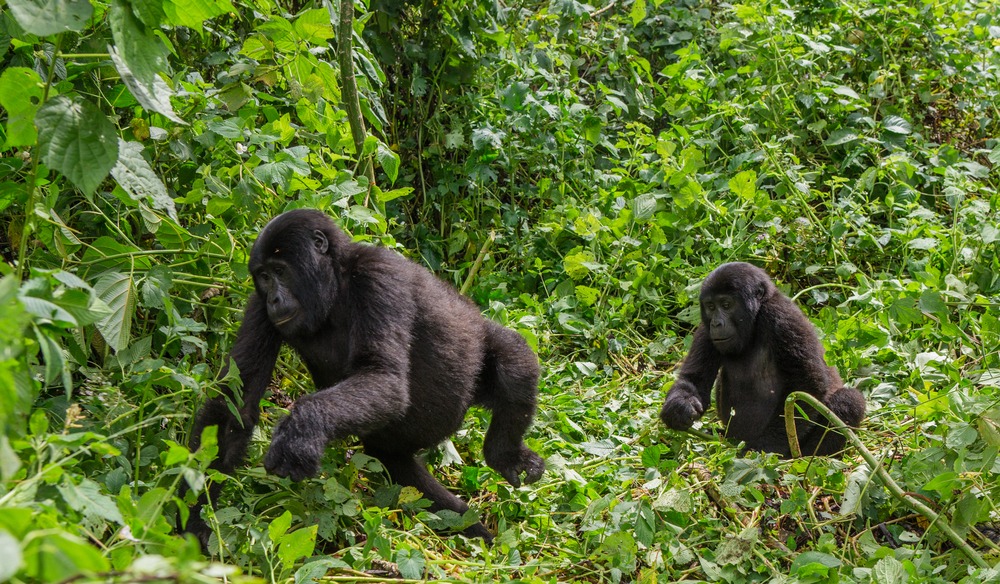
The trail follows the edge and interior of bamboo and Hagenia forest. Batwa guides point out medicinal plants, techniques for making fire by friction, construction of temporary shelters, and bow-making. Traditional songs and dances punctuate the visit. You traverse areas where mountain gorillas and forest buffalo are present, though wildlife observation is not the primary focus.
History and Context
The Batwa have inhabited the Virunga forests for millennia. In 1991, the creation of Mgahinga National Park forced them to leave their territory without initial compensation. The Cultural Trail was established to enable them to transmit their culture and benefit economically from tourism. A portion of entry fees is returned directly to the Batwa community.
Highlights of the Visit
Hunting and Gathering Demonstration
Guides recreate traditional techniques: identification of edible plants, trap-making, archery. These demonstrations are performed by elders who grew up in the forest.
Batwa Songs and Dances
At the end of the trail, the community presents polyphonic songs and ritual dances. These performances are not staged for tourism: they reflect repertoires transmitted orally from generation to generation.
Visit to Garama Cave
The trail typically includes Garama cave, a former Batwa residence and ceremonial site. The interior is illuminated by torchlight; guides explain its role in the group's spiritual and social life.
Photography Tips
Light under forest canopy is low: a bright lens (f/1.8–f/2.8) or high ISO sensitivity is useful. Always ask permission before photographing people. Demonstrations in clearings offer better lighting conditions than sequences in the understory.
Location and Access
Mgahinga Gorilla National Park is located in Kisoro District, in the far southwestern corner of Uganda, bordering Rwanda and the DRC. Kisoro is accessible from Kampala by road (approximately 8 to 9 hours) or by domestic flights to Kisoro Airstrip. From Kisoro, 4×4 vehicles reach the park headquarters. No regular public transport serves the park directly.
Nearby Attractions
- Mountain gorilla trekking – Mgahinga: tracking habituated groups in the same forest, separate permit required.
- Muhavura Volcano: one-day climb from the same park headquarters, views across three countries.
- Lake Mutanda: volcanic lake a few kilometers from Kisoro, kayaking and Virunga views.
- Bwindi Impenetrable Forest: another gorilla trekking site, approximately 2 hours' drive to the north.
Frequently asked questions
Yes. The activity is managed by the Uganda Wildlife Authority. It is advisable to book via the UWA or a local agency before your arrival, especially during high season (June-September, December-January).
Technically possible if both activities are confirmed, but the day is long and physically demanding. Many visitors split them across two separate days.
The dry seasons (June-September and December-January) offer passable tracks and less mud in the forest. The forest remains accessible year-round, but the April-May rains make trails slippery.
The trail involves several hours of walking over uneven terrain. It is suitable for children in good physical condition, from around 10-12 years old. Check age requirements with the UWA at the time of booking.
Yes. The revenue-sharing model returns a portion of entry fees directly to the Batwa community. Guides and performers are themselves community members.
Give it a go!
Our local experts arrange this activity for you.