Pian Upe Reserve
Pian Upe Reserve
In the heart of Karamoja, Pian Upe Reserve spreads across 2,788 km² of wild savannas, inhabited by roan antelopes, ostriches and rare bird species.
Many will tell you that Pian Upe and its semi-arid landscape paint some of the most stunning compositions of wild nature—fauna and flora alike—in northern Uganda. Follow the thoughtfully marked trails and discover them for yourself.
History
The name Pian Upe comes from two indigenous pastoral tribes: the Pian, a sub-group of the Karamajong people, and the Upe, who speak the Kalenjiin dialect (commonly called Pakot in Kenya). For a long time, these two tribes were in conflict over cattle rustling. At times, they allied to fight neighboring clans in Uganda or Kenya.
The Pian Upe Reserve (2,788 km²) stands out as Uganda's second-largest protected area, after Murchison Falls Park (3,893 km²). It stretches between the Kidepo Valley National Park and Mount Elgon, in the Karamoja sub-region. Originally registered as the Debasien Wildlife Sanctuary in 1958, the territory was expanded and renamed the Pian Upe Wildlife Reserve in 1964.
Discovering Pian Upe
Pian Upe is the premier nature destination in Uganda to escape the crowds and enjoy a rich experience. Circuits through grasslands and wooded savannas will lead you to unforgettable encounters.
Meet the Animals and Birds of Pian Upe
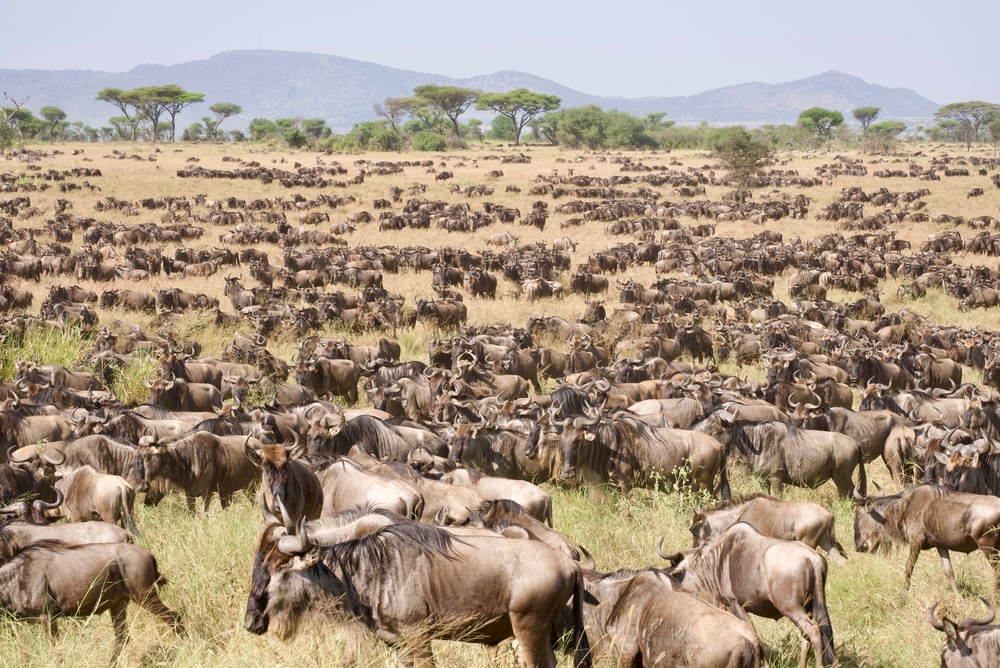
Pian Upe is home to special and sometimes exclusive creatures. Accompanied by a guide, search for Uganda's roan antelope, white-bearded wildebeest, green monkeys, olive baboons and more.
Passionate about birds? Rejoice—at Pian Upe, you'll be front and center to observe some of Uganda's finest avian species. The reserve is home to more than 242 bird species. Watch the trees and small patches of vegetation, and you may spot a white-masked pigeon, black-throated acacia, Hartlaub's turaco or thick-billed honeyguide. Pian Upe is among the rare places where you'll have the chance to see the planet's largest bird, the ostrich.
Experience Adventure in an Exotic Setting
Savanna excursions may not be enough for sports enthusiasts. For a more explorative visit, join an alpine safari on Mount Kadam near Pian Upe. The mountain rises to approximately 3,083 meters above sea level. Its ascent is relatively straightforward, but plan for two to three days of hiking, with about 10 hours of walking daily, to reach the summit. From the heights, you'll gain the most stunning views over Pian Upe and its inhabitants.
Cycling enthusiasts can pursue your passion across Pian Upe's wild lands and the Karamoja region. Mount your bike and follow the trails of nomadic warriors and their herds. The journey will deepen your understanding of pastoral culture. Feel free to venture into villages to interact with indigenous communities, then continue your adventure along colonial-era roads.
Explore Rock Caves
Nestled within the Pian Upe wildlife reserve, caves hold rock art with profound cultural significance. For example, local communities visit Napendio Cave to seek blessings. Located in an ancient hunting ground, Napedet Cave served as a resting place for the Karamojong and Pokwot peoples. They roasted their game there. You'll find stones dating back more than 500 years.
Practical Information
Pack Your Bag
As with any adventure across Africa's wild expanses, a trip to Pian Upe requires careful preparation. First, protect your important documents (passport, visa, medical certificates, etc.) in a folder or waterproof container. Then gather the following:
- Warm and lightweight clothing
- Comfortable hiking shoes
- A wide-brimmed hat to shield you from the sun
- Insect repellent
- Toiletries (soap, toothpaste, toothbrush, lotions, etc.)
Charge all your electronics (phone, tablet, laptop) and pack backup batteries. Don't forget your binoculars.
You can easily access Pian Upe from Chepsikunya to the south, which is connected by road to the town of Mbale. If you arrive from the north, leaving the town of Moroto, follow the road to Namalu. The journey to Pian Upe from Kampala, the capital, takes approximately 8 hours, passing through Mbale, Soroti and Nakapiripirit district where the reserve is located. From Mbale, the journey takes 5 hours.
When to Visit?
The best time to visit Pian Upe Reserve runs from January to March. During these months, the environment is relatively dry. The golden savanna offers clearer views of the surrounding landscape and animals that regularly gather around watering holes. Rainy season lasts from April to October. Roads become muddy and sometimes impassable during this period. Activities are therefore limited. From November to December, vegetation becomes somewhat drier but remains lush. Animals will hide in tall grasses and shrubs.
Rates
Pian Upe Wildlife Reserve rates are as follows:
- Standard entry: USD 50 for non-resident foreigners; USD 25 for foreign residents; 15,000 Shillings for East African nationals. The permit is valid for 24 hours.
- Guided walks: USD 30 per person; USD 20 per vehicle.
Want to discover this destination?
Our local advisors design your tailor-made trip.