Queen Elizabeth National Park
Queen Elizabeth National Park
1,978 km² of savannah and forests, 90 mammal species, 606 bird species: the complete guide to Queen Elizabeth National Park in Uganda.
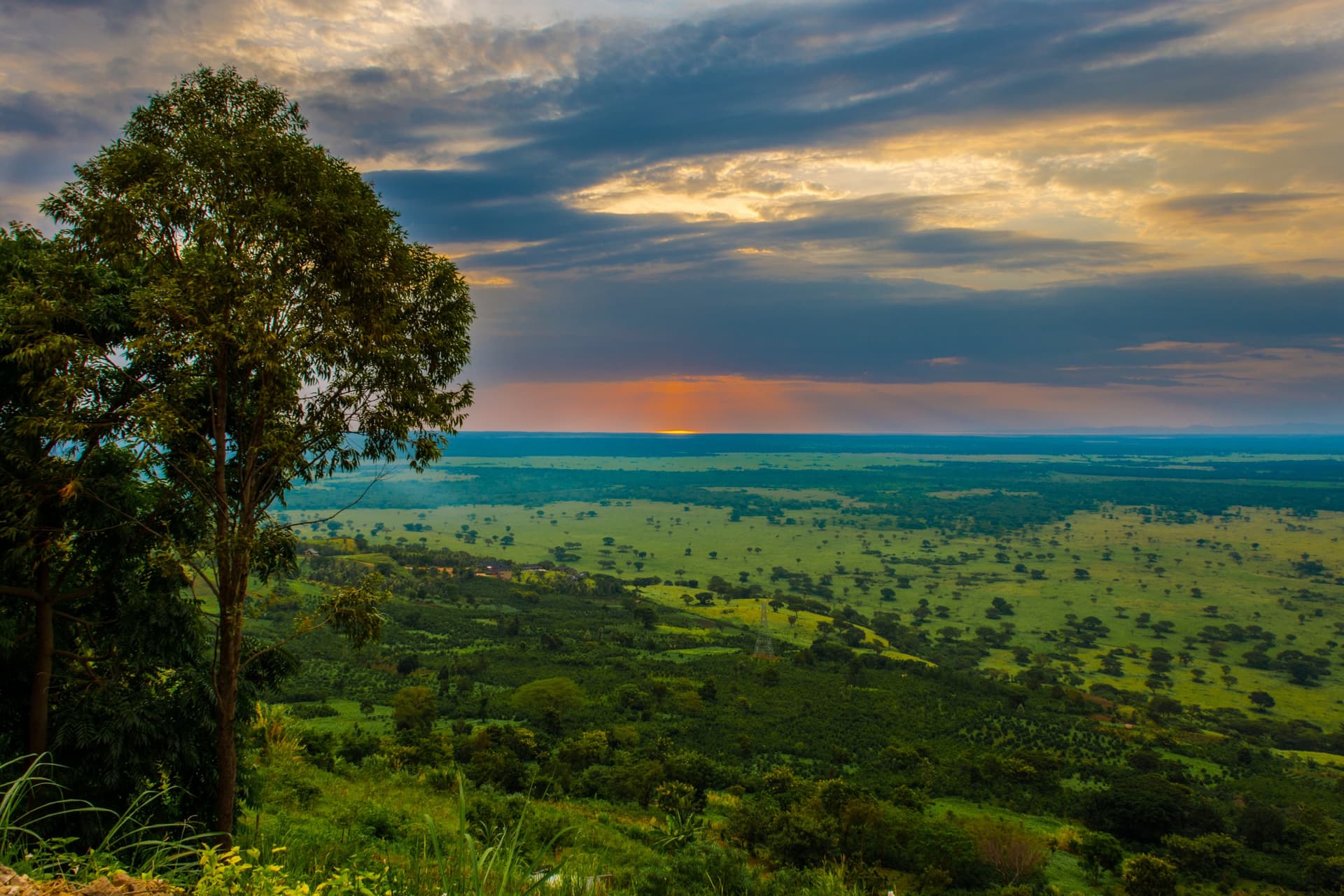
What you'll find at Queen Elizabeth National Park is rare anywhere else in the world. This vast Ugandan protected area is a repository of rich biodiversity and varied landscapes, ranging from scrubland to lush forests, passing through savannah and wetlands. The reserve spans 1,978 km² and is home to no fewer than 90 mammal species, including a large population of hippos, leopards, lions, elephants, primates, and hyenas. While the isolated Ishasha sector has made the park famous for its tree-climbing lions, don't miss the boat excursions on the Kazinga Channel to admire the magnificent avian fauna.
History
Located in the Kasese district, the lands of Queen Elizabeth National Park once served as grazing territory for Basongora pastoralists. When British explorers Lugard and Stanley traveled through Uganda toward the end of the 19th century, they visited the area. They observed that much of the indigenous population had fled their villages due to raids, cattle plague, and smallpox epidemics at the time. Only communities established around the lakes, whose fishing was the primary activity, had remained.
The epidemics and depopulation had unexpected benefits: game populations multiplied and vegetation transformed; prompting the Protectorate administration to consider creating a national park. In 1906, a game reserve was officially established on lands north of Lake George to control unregulated hunting. A few years later, after the establishment of restricted zones at Lake George and Ishasha in 1912, residents were forced to relocate once more. Furthermore, sleeping sickness continued to spread until the mid-1930s.
The National Park was officially founded in 1952, under the name "Kazinga National Park." The protected land area was expanded to include the region east of Lake Edward and the Kazinga Channel. The site received its current name, "Queen Elizabeth National Park," in 1954 to commemorate the visit of Queen Elizabeth II of Great Britain.
Exploring Queen Elizabeth National Park
Participate in early morning or evening safaris to get closer to the stunning biodiversity of Queen Elizabeth National Park. Traverse vast mating grounds of Uganda kob herds. The territory offers more than 200 km of trails. You can also discover the reserve from above by boarding an African hot air balloon. Take your time, let nature be your guide, and enjoy the picturesque scenes!
Diverse Adventures
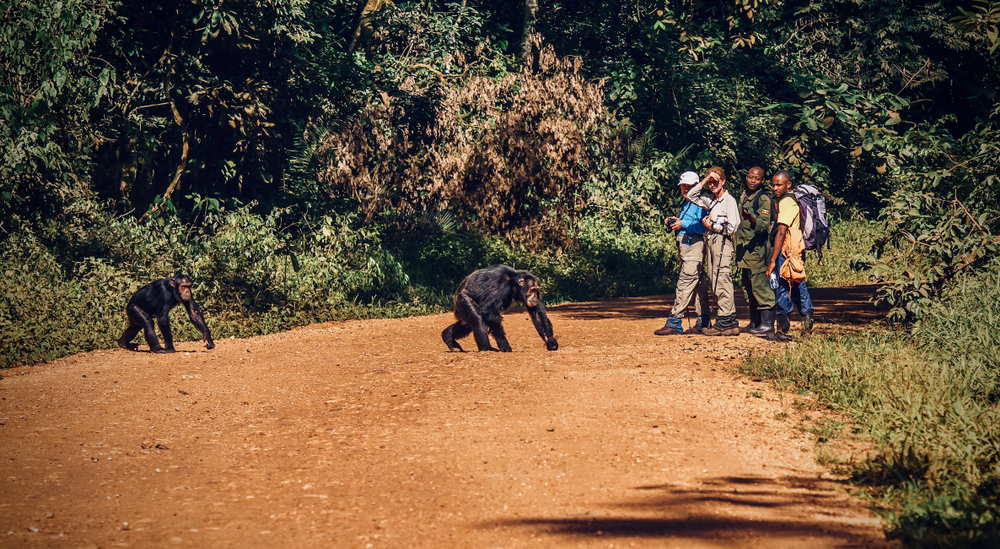
The Maramagambo Forest offers you a variety of guided walks. During the trek, you pass through a cave inhabited by bats. Watch for ground crevices and wall fissures where pythons lurk, waiting to find prey. Near the cave, visit the Blue Lake and the Hunter's Cave. Other paths venture deeper into the forest and lead to a peaceful crater lake frequently visited by monkeys, including chimpanzees.
Equally captivating scenery and wildlife await you in the eastern part of the park, particularly in the Kyambura Gorges. This area is home to three crater lakes that attract Uganda's largest population of flamingos. Walk through the lush riparian forest along the tumultuous Kyambura River. It's the habitat of many special creatures such as olive baboons, black-and-white colobus monkeys, chimpanzees, red-tailed monkeys, and numerous forest bird species.
Then head to observe the famous tree-climbing lions at Ishasha in the southern part of the park. While these big cats lounge in large fig trees, Uganda kobs, buffalo, and topis graze cautiously in the acacia-dotted savannah. Charming campsites await you on the banks of the winding Ishasha River, where it's common to spot Colobus monkeys and other primate species.
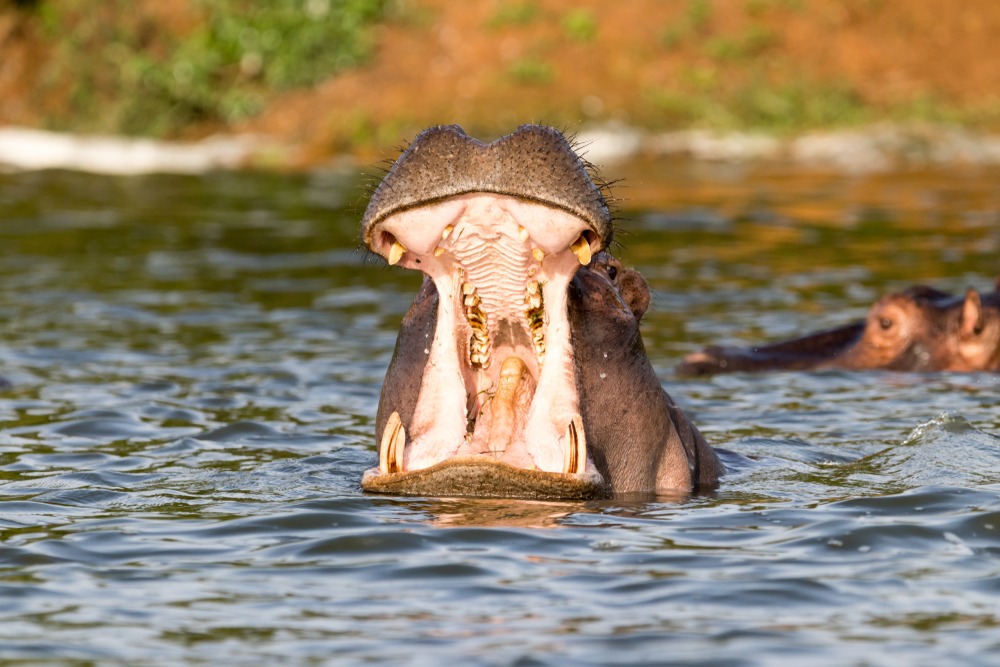
Don't miss the boat excursions on the Kazinga Channel. The highlight of the journey is the sight of numerous hippos crowded on the banks! There are also buffalo, crocodiles, and occasionally leopards. Of course, birds are part of the show.
A Prime Destination for Birdwatching
Queen Elizabeth National Park is home to 606 bird species. Hire an experienced guide to help you spot the most special birds. Focus your search around lakes and marshes. With luck, you might spot Uganda's most coveted bird: the African Jabiru! Other interesting species include the papyrus gonolek, the African fish eagle, the martial eagle, and the African skimmer. Plan a two or three-day circuit to fully appreciate the park's avian wonders.
Additionally, your expedition to the park will give you the opportunity to visit one of Uganda's oldest salt mines and industries in the village of Katwe. Since the 14th century and to this day, salt harvesters have used traditional methods to extract salt from the alkaline Lake Katwe. Meet with the communities to learn more about history and culture through storytelling sessions and performances of traditional dance and music.
Practical Information
Queen Elizabeth National Park is located approximately 389 km from the Ugandan capital of Kampala. The journey takes about 6.5 hours via Masaka Road. If possible, use a 4x4 vehicle during your visit.
When to Visit?
The dry season from January to February, then from June to September, represents the best time to visit Queen Elizabeth National Park. It's the peak safari season in Uganda. For birdwatching, the best period includes August to December and March to May, during migration season.
Accommodation in Queen Elizabeth National Park
Want to discover this destination?
Our local advisors design your tailor-made trip.