Lake Mburo National Park
Lake Mburo National Park
Uganda's smallest savanna park concentrates zebras, impalas and lake cruises. An ideal stop between Kampala and western parks.
Don't let its small size fool you—Lake Mburo National Park spans just 260 km² but is a treasure chest. It's the home of impalas and other remarkable creatures found nowhere else in Uganda.
History
The Banyakole Bahima people once inhabited the lands of Lake Mburo National Park. For generations, their survival depended on cattle herding, until Milton Obote came to power. A controlled hunting area was demarcated in the region in 1933, followed by a nature reserve established in 1963.
When Obote ruled Uganda from 1966 onwards, he accused the Bahima of supporting a rebellion and punished them accordingly. In 1983, Lake Mburo National Park was officially established. The Bahima were forced to leave their lands without compensation, fueling their resentment. They could only return after Obote's second regime fell in 1985. However, they received back only half their original territory; the rest was retained for the national park.
The Legend of Lake Mburo
The origins of Lake Mburo are rooted in an Ankole myth. The story centers on two brothers named Mburo and Kigarama. They lived in a large valley, but one day Kigarama had a dream telling him and his brother they must leave. He tried to convince Mburo, who simply ignored him. Kigarama departed alone for the hills. Some time later, a flood engulfed the valley and Mburo drowned in it. The lake that formed took his name, while the surrounding hills were named Kigarama.
Exploring Lake Mburo National Park
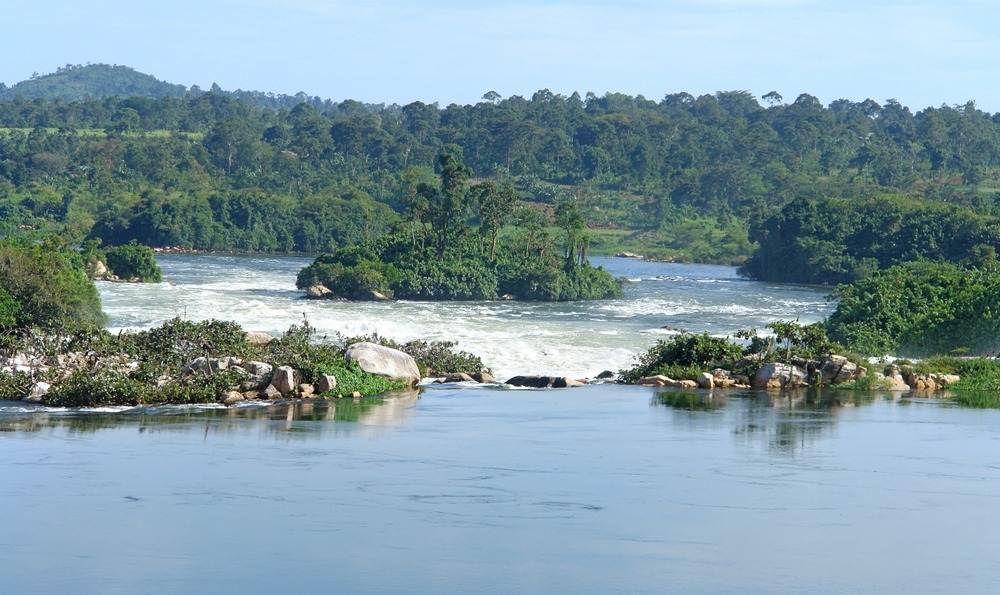
Despite its modest size, the diversity of natural habitats is Lake Mburo National Park's greatest asset. Traverse open savannas, rocky outcrops and arid hills, visit lakes and wetlands, immerse yourself in vast acacia forests. At the reserve's heart, Lake Mburo, the largest among a network of 14 water bodies, nestles between rivers and marshes. All these landscapes await you and shelter abundant wildlife that will leave lasting impressions.
Experience an Unforgettable Adventure with Wildlife
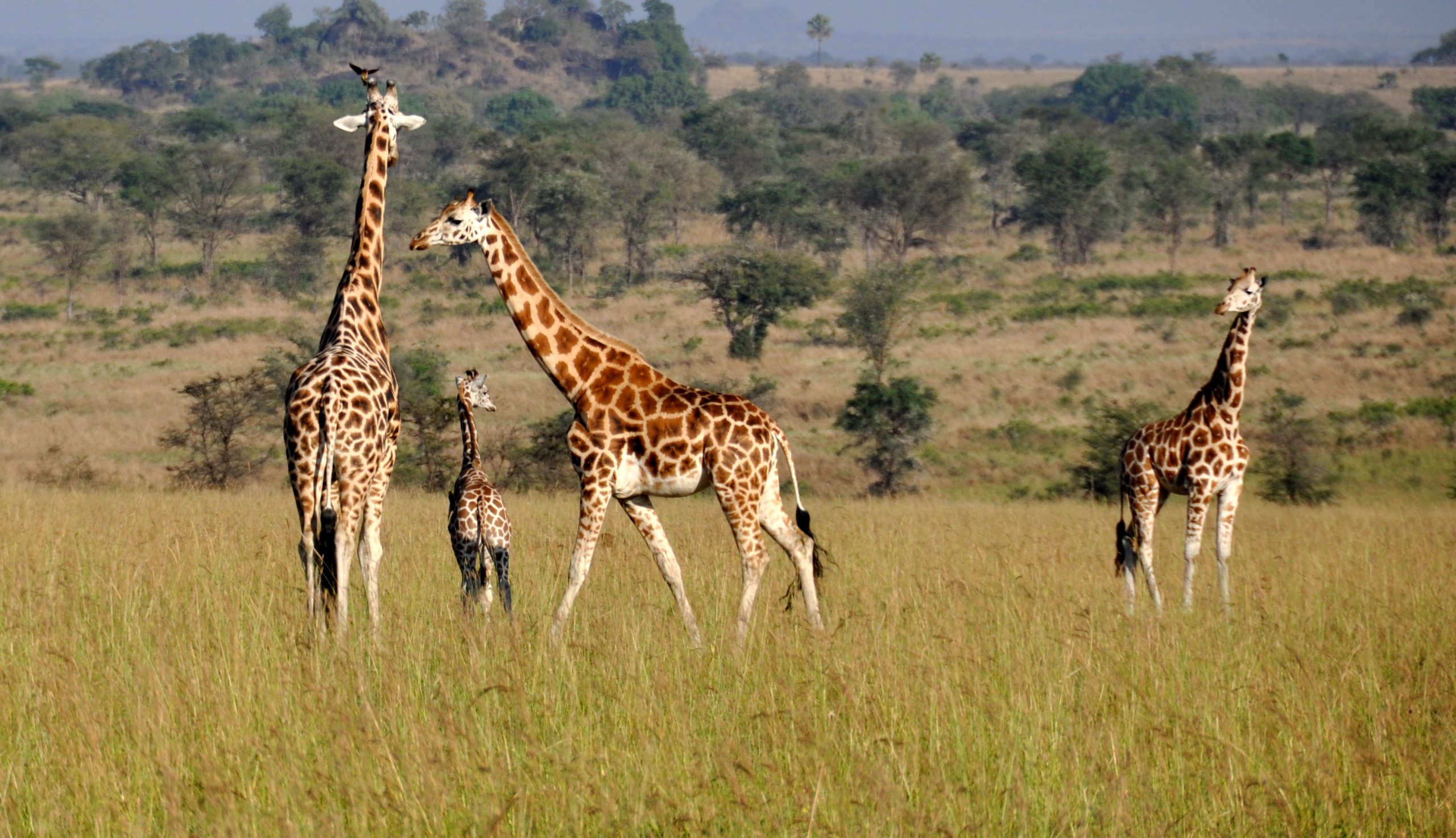
With few predators here, you can explore the reserve on foot, by bicycle or horseback, approaching residents with minimal risk. Keep your camera charged—more than sixty mammal species roam freely, including zebras, hartebeest, crescent antelope, warthogs and buffalo. Some creatures are found only here, such as the impala, rock hyrax and red mongoose. Birds add to the spectacle, with over 300 species recorded in the park. Enjoy yourself, but stay cautious as leopards and hyenas do roam, though in limited numbers.
Hikers, Let's Go!
The park offers a wide range of activities. With a guide, embark on an exciting hike from Rwonyo rest camp toward the splendid Rubanga Forest. The trail passes through a hill offering beautiful views over Lake Mburo. Don't hesitate to stop whenever you wish to capture each magical moment in photographs. Then, head to the park's bird-watching zones. Around the wetlands, watch for rufous-bellied heron, black-bellied bustard, wattled lapwing and more. If you enjoy fishing, cast your lines in the regulated Mazinga zones.
Every Safari Experience at Lake Mburo National Park
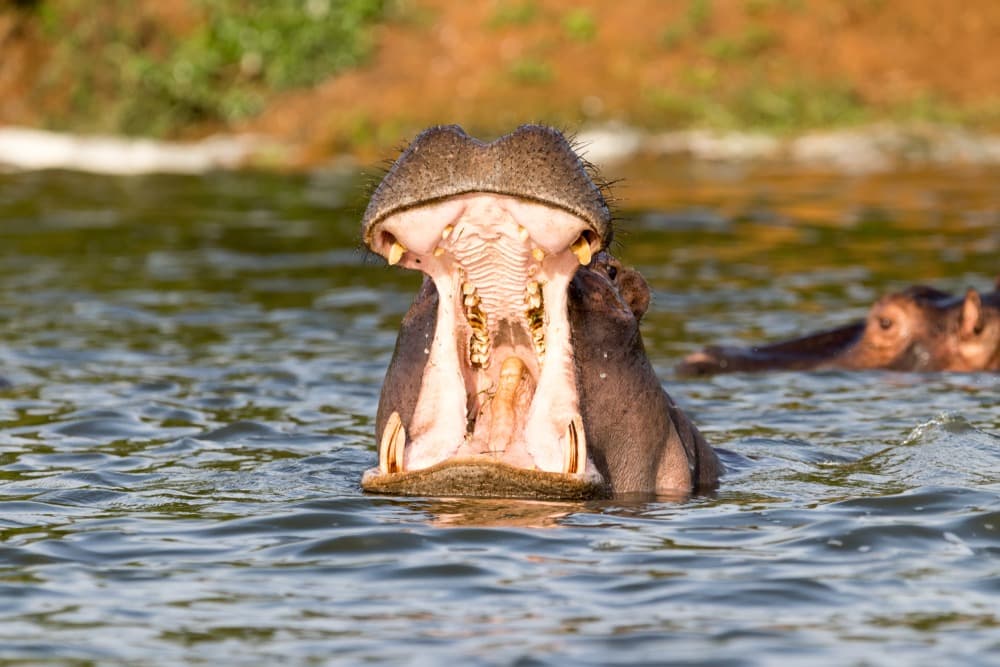
There are various ways to appreciate the park's wildlife richness. For complete immersion in the wild atmosphere, try a horseback safari. It's the best option for getting closest to animals, especially the more skittish ones that tend to flee at engine noise. Want to add thrills to your adventure? Try an ATV safari through the reserve. Multiple trails have been specially designed for this activity. And don't miss boat cruises on Lake Mburo. Navigate the lake's eastern shores where exceptional creatures nest—hippopotamuses, crocodiles and various aquatic birds.
Visit the Ankole Cultural Centre
Enrich your Lake Mburo National Park adventure with cultural interludes by visiting traditional villages. Stop by the Ankole Cultural Centre, near Sanga Gate, which celebrates the history and culture of the Banyakole community. Meet the Hima herders who live on the reserve's periphery. Learn about raising Ankole longhorn cattle, hand-milking cows, and traditional dairy production such as ghee-making.
Practical Information
Lake Mburo National Park sits between the towns of Mbarara and Masaka, roughly 228 km from Kampala in western Uganda. Driving from the capital takes 3 to 4 hours to reach the reserve. The park has two entrance gates, both accessible via the Masaka–Mbarara road:
- Nsanga Gate located 37 km east of Mbarara
- Nshara Gate located 50 km from Mbarara and 20 km from Lyantonde
You can use public transport to reach the site. From Kampala, take a bus toward Sanga town, then once there, catch a taxi or boda boda (motorcycle taxi) to the park. If you plan to drive, note that a vehicle is highly recommended as roads are quite rough.
Climate
Lake Mburo National Park sits in a rainy zone between the famous Lake Victoria and Rwenzori Mountain. The reserve receives an average of 800 mm rainfall annually, distributed across two seasons (first from March to June, second from September to December).
Fees
Entry to Lake Mburo National Park costs $40 per adult and $20 per child.
Want to discover this destination?
Our local advisors design your tailor-made trip.