Entebbe Botanical Garden
Entebbe Botanical Garden
Laid out in 1898 on the shores of Lake Victoria, the Entebbe Botanical Gardens gather over 300 tree species, dense birdlife and forests that served as backdrop for the original Tarzan films.
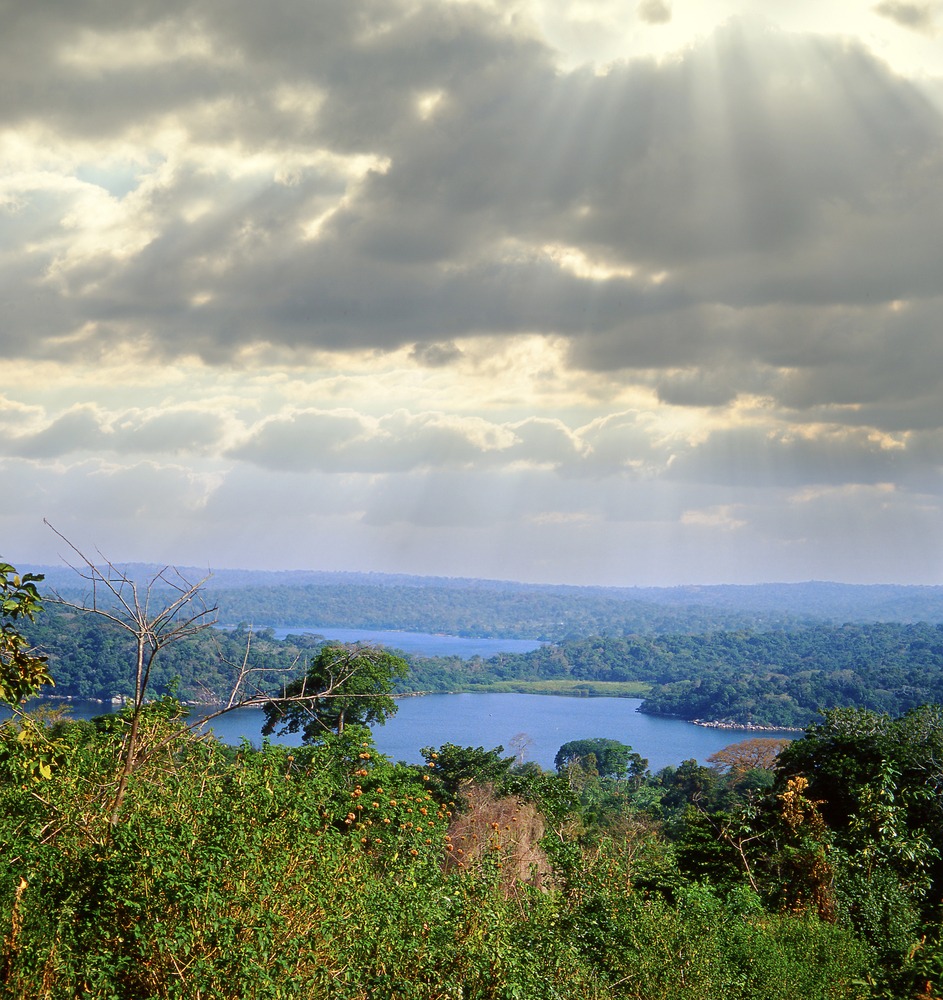
Spread over 2 km along the shores of Lake Victoria, the Entebbe Botanical Gardens rank among East Africa's oldest botanical spaces. Inaugurated in 1898 for colonial agricultural research, they welcome today walkers, ornithologists and botany enthusiasts just minutes from Entebbe's international airport.
Why visit the Entebbe Botanical Gardens
The site combines several interests rarely brought together in one place: a botanical collection rich in over 300 tree species, dense birdlife linked to Lake Victoria's proximity, pockets of tropical forest that served as set for the original Tarzan films, and documented colonial history. Visits are on foot, without difficulty, and suit both a few-hour stopover and a full day with a picnic.
- Over 300 tropical, subtropical and temperate tree species
- 120 species used locally for medicinal purposes
- Forests that served as backdrop for the original Tarzan films
- Recognized birdwatching site
- Direct access from Entebbe and the airport
Garden history
The Entebbe Botanical Gardens were officially inaugurated in October 1898, under the authority of Ernest James Berkeley, commissioner and consul general of the British Protectorate of Uganda. Their initial purpose was scientific and economic: to conduct trials on seeds and plants in order to structure a viable colonial commercial agriculture in the region. This agricultural experimentation function lasted several decades before the site evolved toward environmental awareness, then toward tourism use. The original layout, running along the lake for roughly 2 km, has been largely preserved.
What to see and do
A botanical stroll
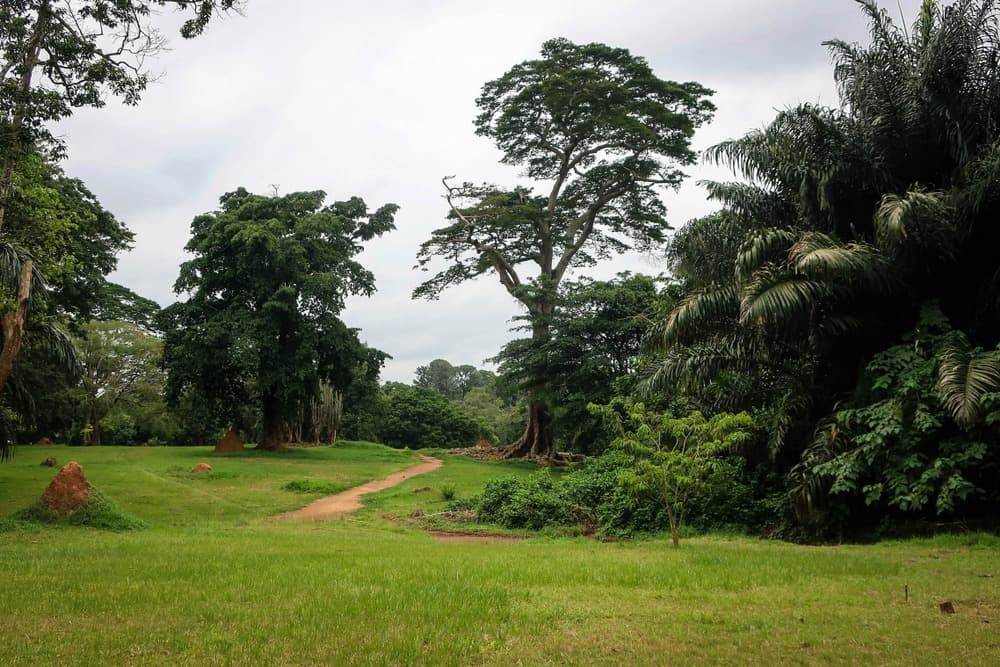
The pathways pass successively through dense forest zones, open lawns and themed gardens. You will encounter tropical and subtropical species, regenerated shrubs and acclimated temperate plants. A nursery offers ornamental plants: Mediterranean cypress, Indian lilac, coconut palm, oil palm, among others. The rocky promontory on the lakeside offers views over the canopy and Victoria's waters.
Birdwatching
The gardens rank among the most interesting accessible birdwatching sites in the Entebbe region. Regularly observed species include:
- Black-headed Gonolek
- Open-billed Stork
- Long-tailed Cormorant
- Black-headed Heron and Squacco Heron
- Pied Kingfisher and Giant Kingfisher
- Pratincole
Best observation conditions occur in early morning and late afternoon. Remember to bring binoculars and an East African ornithological guide.
Primates and other wildlife
Several primate groups frequent the site, including black and white Colobus monkeys, red-tailed monkeys and velvet monkeys. You will also observe a diversity of spiders identifiable by their webs, as well as many insects linked to the humid forest environment.
The Milege World Music Festival
Created in 2010 at Lake Victoria Serena Resort, the Milege World Music Festival was transferred to the botanical gardens in 2017. Uganda's first camping festival, it takes place each year in November and offers concerts, workshops and activities over a weekend, with programming centered on East African music and continental artists.
When to visit
Entebbe sits at roughly 1,100 m altitude, in immediate proximity to the equator, which softens the tropical climate. Two rainy seasons succeed each other: March to May and October to December. The most comfortable periods to visit the gardens are the dry seasons, between January and March and between June and September. Favor the morning for birdwatching and cooler temperatures.
Practical information
The park is open daily, with hours covering the daytime. Entrance fees remain moderate and are distinct for residents and international visitors. Allow about 2 hours for a leisurely visit, longer if you include a picnic or birdwatching session. Plan for closed-toe shoes, water, sun protection and mosquito repellent.
How to get there
The gardens lie 5 minutes by car from Entebbe International Airport and roughly 34 km from Kampala. Several access options:
- By taxi or ride-sharing from Entebbe or the airport, the most direct solution
- By matatu (shared minibus) from Kampala's New Taxi Park, with frequent departures throughout the day
- By private car with driver, often included in organized tours
What to combine nearby
Several sites naturally complement a visit to the botanical gardens:
- Uganda Wildlife Education Centre (UWEC): lions, leopards, rhinoceros, chimpanzees, and the famous shoebill
- Ngamba Island on Lake Victoria: sanctuary for orphaned chimpanzees
- Spena and Lido beaches: swimming and dining lakeside, with tilapia and Nile perch on the menu
- The Mabamba marshes, accessible from Entebbe, to observe the shoebill in its natural habitat
Frequently asked questions
Frequently asked questions
Integrating the botanical gardens into an Uganda trip
A stopover in Entebbe naturally finds its place at the beginning or end of your stay, due to the airport's proximity. The botanical gardens make a gentle introduction before heading to the national parks in the country's west or a pleasant landing point upon return from safari. Discover our Uganda trip to build a customized itinerary.
Interested in this visit?
We can include it in your personalised itinerary.